In 1987, at Huaca Rajada, an ancient archaeological site near Sipán on the northern coast of Peru, a desperate race against time began. A gang of looters had broken into a mound and triggered a chaotic situation that led to one of the most urgent rescue excavations in modern Andean archaeology.
Archaeologist Walter Alva and His Team Rushed to Save History
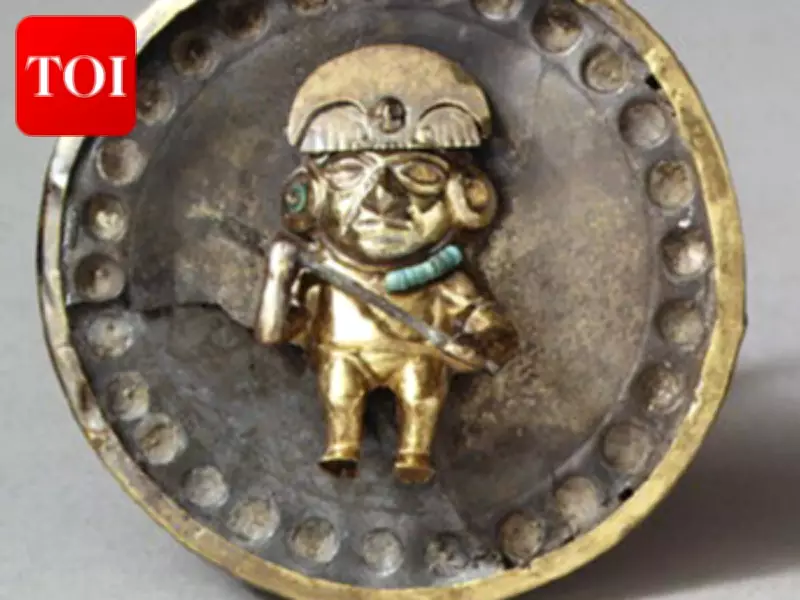
The team worked under immense pressure to salvage what they could before the rest of the history disappeared into the black market. Tensions were so high that police alerted Alva after recovering looted objects to secure the site. They found spectacular treasures, but the context mattered even more. They discovered an exceptionally well-preserved, intact Moche tomb. Inside, the central figure, known as the Lord of Sipán, helped clarify Moche elite power, ritual, and burial practices of an ancient civilization.
The Importance of Context Over Gold
The discovery was an instant sensation to the public due to its staggering wealth. The tomb was filled with rich gold, silver, and ceremonial objects. However, the real value of the find to historians and scientists had nothing to do with the monetary worth of the precious metals. Before this rescue dig, most of what scholars knew about the Moche culture came from objects stolen by grave robbers. Looters regularly raided Moche tombs to steal artifacts, leaving almost no scientific record of the graves themselves, as the Cotsen Institute of Archaeology at UCLA explains. When an object is removed without care, its context is lost. It becomes just an isolated artwork, instead of a clue to how a society functioned. Walter Alva’s team saved the Sipán tomb before looters could destroy it, carefully documenting objects in place and giving an unusually clear view of an ancient world.

Unpacking Power and Ritual
The Moche were a sophisticated culture that flourished on Peru’s north coast centuries before the Inca. The main Lord of Sipán tomb was intact beneath the earth, meaning researchers could directly link art styles on the objects to ancient real-world practices. The contents were not randomly scattered. Rather, they were arranged in a highly ordered way that seems to mirror the social hierarchy, religious rituals, and power of Moche elites. The burial was a final ritual performance that demonstrated that these elites had enormous authority and depended on particular religious symbols to consolidate their rule. Huaca Rajada, also known as Sipán, is a Moche archaeological site in northern Peru in the Lambayeque Valley.
A Standard for Future Discoveries
The Lord of Sipán quickly became a major reference point in South American archaeology. In the past, museums around the world had dozens of beautiful Moche artifacts with no clear provenance or history. The rescue operation at Sipán became a vivid example of the ongoing ethical struggle against illegal looting, according to archaeological accounts of the Sipán rescue excavation. The records gathered during the emergency excavation allowed experts to compare other isolated, loose artifacts against a secure benchmark, helping to organize and make sense of items that had been floating around without provenance.
A Rescue Dig’s Lasting Legacy
Decades later, the Lord of Sipán remains a powerful testament to what rescue archaeology can do when time is of the essence. To the public, the tomb may be valued for its dazzling glitter; to the academic community, it is valued for its data. The project showed that, when archaeologists act quickly, they can prevent large parts of a history from being erased. The team didn’t just find treasure; they turned a potential theft-driven loss into a scientific breakthrough. In the process, they succeeded in piecing together the social fabric of a lost civilization, helping the world see a much clearer picture of the Moche people.