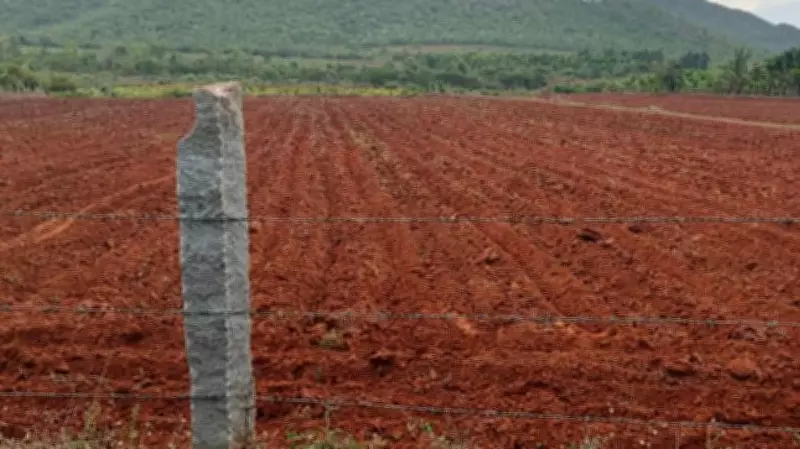
Scanty rainfall in Chikkamagaluru district has severely impacted the sowing of onion and potato crops, raising concerns among farmers and horticulture officials. The deficiency in precipitation has disrupted the normal cropping pattern, potentially delaying the entire agricultural cycle and threatening yields in the upcoming rabi season.
Rainfall Deficit Delays Sowing
According to officials from the Horticulture Department, the district has received significantly less rainfall than usual during the monsoon period. This shortfall has left the soil insufficiently moist for sowing onion seeds, which require adequate soil moisture for germination. As a result, many farmers have postponed or abandoned their onion planting plans.
Under normal conditions, farmers in Chikkamagaluru cultivate onions as a first crop and then follow with ragi as a subsequent crop. The delay in onion sowing due to scanty rainfall has disrupted this sequence. Horticulture Department officials stated that if sowing is delayed further, it will push back the entire cropping cycle and adversely affect the upcoming rabi season, which typically begins after the kharif harvest.

Impact on Potato Cultivation
Potato cultivation has also been affected by the scanty rainfall. Potato crops require consistent moisture during the early growth stages, and the current dry spell has hampered planting and early development. Farmers in the region are worried about reduced yields and potential financial losses. Many have expressed uncertainty about whether to proceed with potato sowing given the unpredictable weather.
“The lack of timely rainfall has made it impossible to prepare the land for onion and potato sowing. We are waiting for the rains to arrive, but the season is slipping away,” said a farmer from Chikkamagaluru taluk, speaking on condition of anonymity.
Future Concerns for Rabi Season
The delayed sowing of onions and potatoes is expected to have a cascading effect on the rabi season. Onions are a key cash crop in the region, and any reduction in production could lead to higher prices in local markets. Similarly, potato shortages may impact supply chains across Karnataka.
Horticulture Department officials are advising farmers to consider alternative crops that require less water or to adopt water-saving techniques such as drip irrigation. However, many small-scale farmers lack the resources to invest in such measures. The department has urged the state government to provide financial assistance or subsidies to help farmers cope with the rainfall deficit.
“We are monitoring the situation closely. If the rains do not improve within the next week, we may recommend that farmers shift to short-duration crops to minimize losses,” a senior horticulture official said.
Regional Weather Patterns
Chikkamagaluru, located in the Malnad region of Karnataka, typically receives good rainfall during the southwest monsoon. However, this year, the district has recorded a deficit of over 30% compared to the normal average, according to data from the Indian Meteorological Department. The deficiency is attributed to weak monsoon currents and the absence of low-pressure systems over the Bay of Bengal.
Meteorologists have predicted that rainfall may remain below normal in the coming weeks, further complicating the agricultural outlook. Farmers are hoping for a revival of the monsoon to salvage the remaining sowing window.
The scanty rainfall has also affected water levels in reservoirs and tanks used for irrigation, adding to the challenges faced by the farming community. With limited water resources, farmers are having to prioritize crops and make difficult decisions about which fields to sow.