

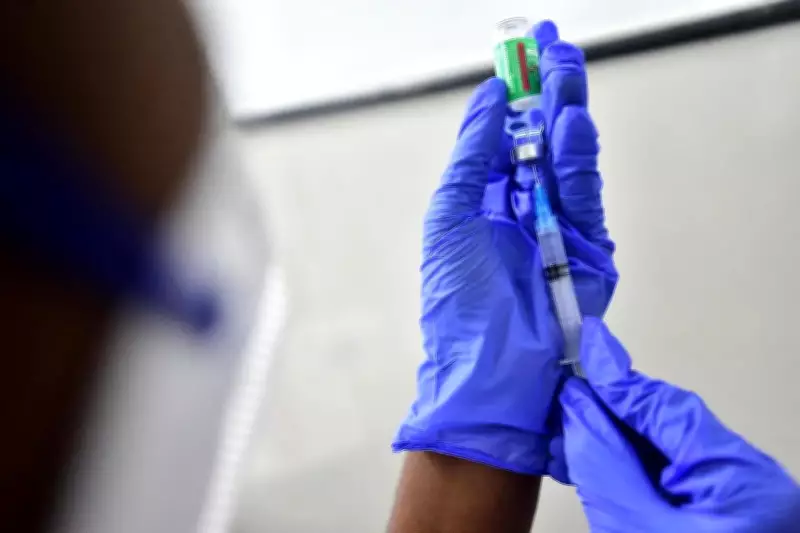
Pune-based vaccine manufacturer Serum Institute of India (SII) has entered into an emergency response agreement with the University of Oxford to develop and manufacture an investigational vaccine against the Bundibugyo strain of the Ebola virus. This collaboration is supported by the global epidemic preparedness organization CEPI, which will oversee clinical trials in affected regions.
Details of the Agreement
Adar Poonawalla, CEO and owner of SII, confirmed that Oxford University will provide the master viral seed to SII for manufacturing and stockpiling the vaccine. The viral seed is expected to arrive within a week, and SII aims to produce vaccine doses within 20 to 30 days. Poonawalla emphasized that the company's expedited manufacturing capabilities demonstrate India's strength in rapidly responding to emerging and reemerging pathogens.
This is not SII's first rapid-response effort. In 2022, the company delivered a bivalent Ebola vaccine (effective against Zaire and Sudan strains) within 62 days. Additionally, SII manufactured vaccines for Marburg and Rift Valley viruses in just 17 days.

Context of the Outbreak
The collaboration comes amid a deadly Ebola outbreak in the Democratic Republic of Congo (DRC). The World Health Organization (WHO) declared the outbreak a public health emergency of international concern on Monday. Most cases have been reported in the DRC, with over 100 suspected deaths and nearly 400 suspected infections. However, the WHO clarified that the outbreak does not meet the criteria for a pandemic emergency under International Health Regulations, as Ebola viruses are not respiratory and do not spread through the air.
Vaccine Technology
The investigational vaccine will be based on the ChAdOx1 virus platform, a weakened version of the common cold adenovirus that has been genetically modified to prevent replication in humans. This same platform was used in the ChAdOx1 nCoV-19 vaccine, known as Covishield in India, which was produced by SII using a master seed from Oxford University and AstraZeneca. Umesh Shaligram, Executive Director of SII, explained that the master viral seed from Oxford will be used to inoculate the cell bank for rapid vaccine production.
Manufacturing and Clinical Trials
CEPI will conduct clinical trials in the affected country, while SII focuses on manufacturing and stockpiling the vaccine. Poonawalla reiterated that the partnership highlights India's ability to curtail emerging pathogens through swift vaccine production.






