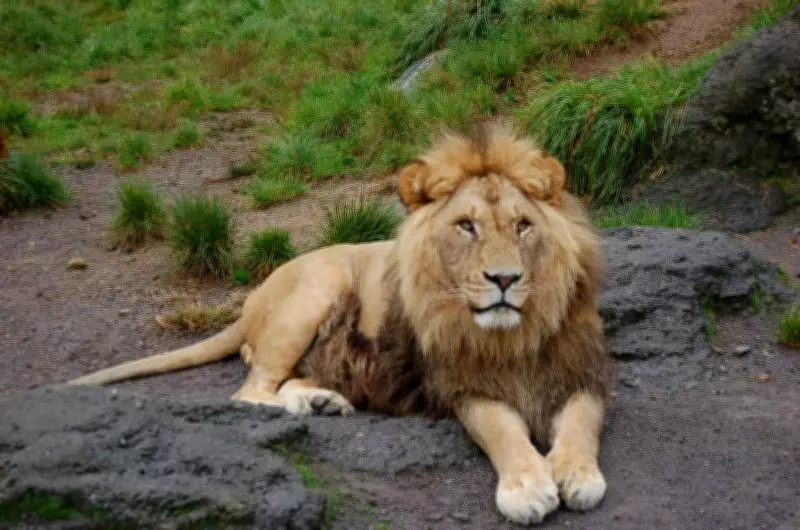
The Tiny Tick's Deadly Secret: When a Microscopic Parasite Threatens the King of Gir
In the heart of Gujarat's Gir Forest, a silent crisis is unfolding. The majestic Asiatic lion, the pride of India's wildlife heritage, faces an unexpected and insidious threat: a microscopic parasite carried by ticks. This tiny enemy is causing severe illness and even death among the lion population, alarming conservationists and wildlife authorities.
The parasite, identified as Babesia, is a single-celled organism that infects red blood cells. Ticks, which latch onto lions as they roam through grasslands and scrub, transmit the parasite during feeding. Once inside the lion's bloodstream, Babesia multiplies rapidly, leading to babesiosis—a disease characterized by fever, anemia, jaundice, and organ failure. In severe cases, it can be fatal, especially for cubs and weakened adults.
The Scale of the Threat
Recent studies have shown a worrying increase in babesiosis cases among Gir's lions. Between 2018 and 2023, over 100 lions have died from the disease, with many more suffering chronic health issues. The parasite is not new to the region, but changing environmental conditions—such as habitat fragmentation and climate change—may be exacerbating tick populations and lion vulnerability.

Dr. Ravi Patel, a wildlife veterinarian involved in lion conservation, explains: "The ticks thrive in warmer, wetter conditions. With climate change altering rainfall patterns, we are seeing longer seasons conducive to tick breeding. Additionally, as lions move through fragmented habitats in search of prey, they encounter more ticks."
Impact on Lion Behavior and Ecology
Infected lions often become lethargic, lose their appetite, and withdraw from social groups. This affects their hunting ability and makes them more susceptible to other threats, such as territorial conflicts or accidents. The disease also impacts reproduction, as sick lionesses may have difficulty raising cubs.
Conservationists fear that if left unchecked, babesiosis could reverse decades of successful lion conservation. The Asiatic lion population, once on the brink of extinction, has rebounded to around 674 individuals as of 2020. However, a single disease outbreak could decimate this fragile population.
Current Measures and Challenges
The Gujarat Forest Department, in collaboration with wildlife NGOs, has initiated several measures to combat the threat. These include:
- Regular health monitoring: Lions in the park are tagged and their health is monitored through camera traps and field observations. Blood samples are collected from sedated lions for testing.
- Tick control programs: Efforts are underway to reduce tick populations in key lion habitats through the use of acaricides (tick-killing chemicals) and environmental management, such as clearing undergrowth.
- Treatment protocols: Infected lions are treated with anti-parasitic drugs and supportive care. However, treatment is challenging in the wild, as capturing and medicating lions is risky and stressful for the animals.
Despite these efforts, challenges remain. The vastness of the forest, limited resources, and the need for specialized expertise hinder effective disease management. Moreover, there is a lack of comprehensive data on tick distribution and parasite prevalence.
Call for Urgent Action
Wildlife experts emphasize the need for a multi-pronged approach. Dr. Patel stresses: "We need more research on tick ecology and the parasite's life cycle. Vaccines or better treatments could be developed. Community involvement is also crucial—local villagers should be educated about the risks to lions and encouraged to report sick animals."
International collaboration could provide funding and technical support. The Asiatic lion is a flagship species, and its conservation is of global importance. The World Wildlife Fund (WWF) and other organizations are already involved, but more coordinated action is needed.

Conclusion
The tiny tick, with its deadly secret, poses a grave threat to the king of Gir. Without urgent intervention, the hard-won gains in lion conservation could be undone. As the clock ticks, the fight against this microscopic menace becomes a race against time to save one of the world's most iconic big cats.