

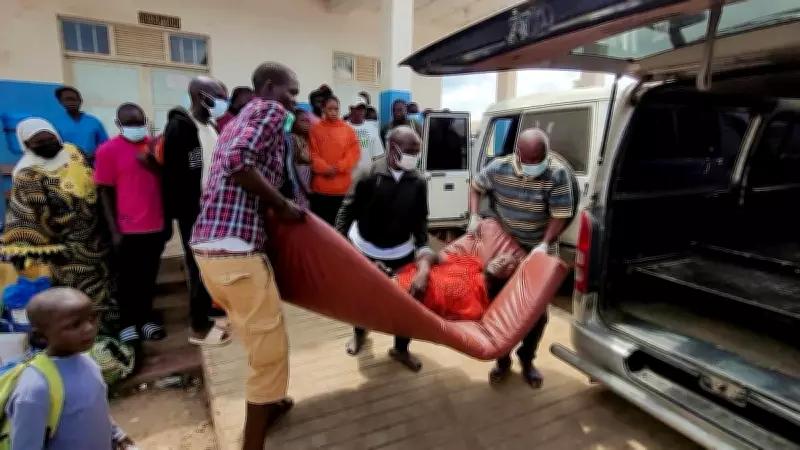
The World Health Organization has declared the Ebola outbreak in the Democratic Republic of Congo and Uganda a global public health emergency. The announcement was made on May 17, 2026, following a meeting of the WHO Emergency Committee.
Key Details of the Declaration
The WHO stated that the outbreak, caused by the Bundibugyo virus, does not meet the criteria for a pandemic emergency. However, the designation as a Public Health Emergency of International Concern (PHEIC) highlights the need for coordinated international action to contain the spread.
Outbreak Overview
The outbreak has affected regions in both Congo and Uganda, with cases reported in multiple locations. Health authorities are working to trace contacts and implement control measures. The Bundibugyo virus is one of several strains of Ebola, with a lower fatality rate than the Zaire strain but still posing significant public health risks.

Response Measures
The WHO has urged neighboring countries to enhance surveillance and preparedness. Vaccination campaigns are being considered, though no specific vaccine is yet available for the Bundibugyo strain. The global health body is coordinating with local governments and partners to deploy resources.
Historical Context
This is not the first Ebola outbreak in the region. Previous outbreaks have been contained through rapid response and community engagement. The current declaration aims to mobilize funding and expertise to prevent a larger crisis.
The WHO emphasized that while the situation is serious, there is no need for panic. Travel and trade restrictions are not recommended at this time. The agency will continue to monitor the situation and provide updates as necessary.






