From Russia to Uzbekistan: 10 Countries Named After Historical Figures
World maps are not just collections of borders and names; they are living narratives of discovery, devotion, and dramatic struggles for independence. While many countries derive their names from geographic features, a unique group of sovereign states honors historical persons, legendary leaders, or saints. These names serve as lasting reminders of how these individuals influenced humanity, shaping cultures, communities, and geography across continents. In this detailed exploration, we delve into the intriguing origins of 10 separate countries, highlighting the explorers, kings, icons, and others who gave them their identities.
Colombia: Named After Christopher Columbus
Located in South America, Colombia was named in memory of the Italian explorer Christopher Columbus, who opened the Americas to European exploration. The revolutionary Francisco de Miranda coined the name to honor Columbus's pivotal role in history, embedding the navigator's legacy into the nation's identity.
Bolivia: Named After Simón Bolívar
Known as The Liberator, Simón Bolívar led the fight for freedom from Spanish colonization in South America. In 1825, the Republic of Bolivia was created as an act of respect for Bolívar's contributions during the revolutionary period, cementing his name in the annals of South American history.

Dominican Republic: Named After Saint Dominic
The Dominican Republic, including its capital Santo Domingo, derives its name from Saint Dominic de Guzmán, a Spanish Catholic priest who founded the Dominican Order in the 13th century. This name reflects the deep religious and cultural influences that have shaped the nation.
Philippines: Named After King Philip II
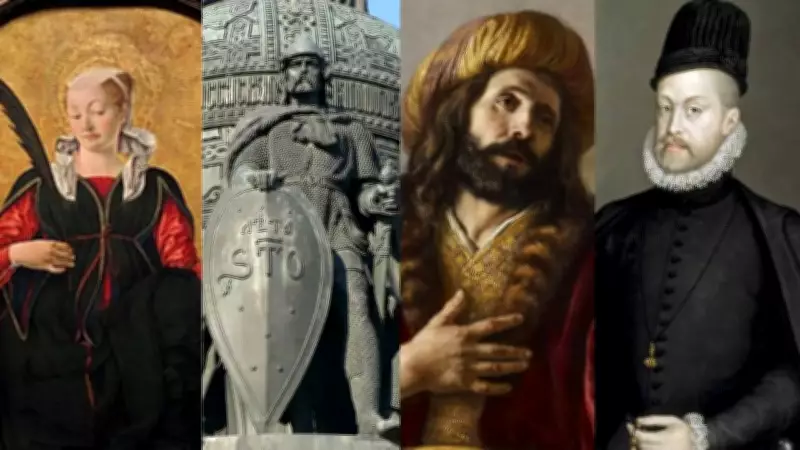
In 1542, Spanish explorer Ruy López de Villalobos named the islands Las Islas Filipinas after Phillip II, the Prince of Asturias who later became King of Spain. This naming honors the Spanish monarchy's influence during the age of exploration and colonization.
Israel: Named After Jacob (Israel)
The name Israel originates from the Biblical Patriarch Jacob, who was given the name Israel, meaning one who wrestles with God. Established in 1948, Israel represents the historical and spiritual homeland of the Jewish people, rooted in ancient traditions and faith.
Liechtenstein: Named After the Liechtenstein Family
This micro-state is unique as the only nation in the world named after the dynasty that acquired its territory. Prince Johann Adam Andreas von Liechtenstein purchased the land in the early 1700s to gain a seat in the Holy Roman Empire's Imperial Diet, leaving a lasting familial legacy.
Russia: Named After Prince Rurik (Rus' People)
Russia's name is derived from the Rus people, traditionally led by Prince Rurik, a Varangian of Scandinavian origin. In the 9th century, Rurik founded the Rurik dynasty and established the first unified state of East Slavic peoples, shaping the nation's early history and identity.
Saint Lucia: Named After Saint Lucy
Saint Lucia holds the distinction of being the only nation named after a woman, specifically Saint Lucy of Syracuse. French sailors, shipwrecked on the island on December 13, named it in honor of her feast day, highlighting the role of serendipity and devotion in naming.
Solomon Islands: Named After King Solomon
In 1568, Spanish navigator Álvaro de Mendaña named these islands after King Solomon, mistakenly believing they were the location of the legendary gold mine Ophir from the Old Testament. This reflects the blend of myth and exploration in historical naming practices.
Uzbekistan: Named After Uzbeg Khan
Uzbekistan derives its name from Uzbeg Khan, the longest-reigning sultan of the Golden Horde. In the 14th century, he played a key role in the Islamization of the region and the formation of an ethnic identity for the Uzbek people, embedding his influence into the nation's heritage.
These 10 countries exemplify how names on a map are more than labels; they are tributes to figures who left indelible marks on history. From revolutionaries in South America to saints and kings across the globe, each name tells a story of cultural evolution and human endeavor, reminding us of the interconnectedness of our world.