

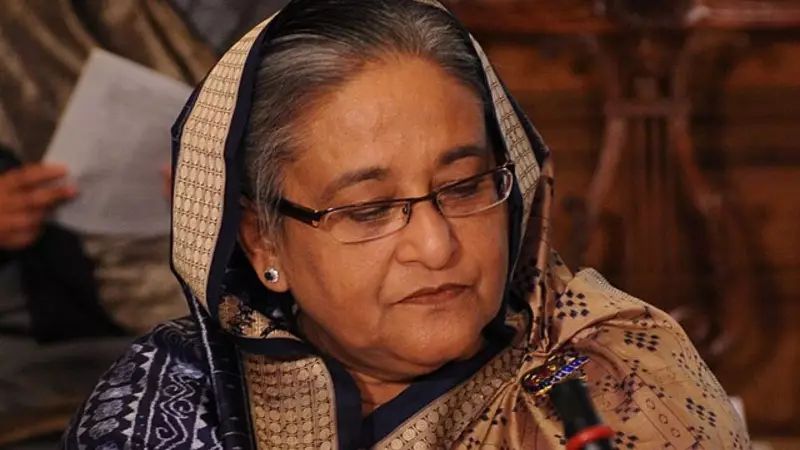
A high-level investigative commission in Bangladesh has concluded that the deadly 2009 mutiny by the Bangladesh Rifles (BDR) was orchestrated with the specific intent of weakening the national army and consolidating political power. The report directly implicates top leaders of the then-ruling Awami League, including former Prime Minister Sheikh Hasina.
Commission Findings and Alleged Conspirators
The National Independent Inquiry Commission, formed by the interim government, submitted its findings on Sunday. The panel stated its investigation uncovered the involvement of several key figures from the ousted Awami League government in planning the rebellion.
Commission chair Major General (retd.) ALM Fazlur Rahman named specific individuals allegedly connected to the mutiny. Alongside Sheikh Hasina, the list includes former Dhaka South City Corporation mayor and fugitive Sheikh Fazle Noor Taposh, and senior party leaders Sheikh Fazlul Karim Selim, Mirza Azam, Jahangir Kabir Nanak, and Sahara Khatun.

Notably, the commission's report, as cited by the Prothom Alo newspaper, also "cited indications of an Indian link to the events". The findings were officially released at a press conference held in Dhaka's Science Laboratory area.
Military Officers and a Deadly Massacre
The inquiry also pointed fingers at former military officers. Those named include Hasina's former security adviser Major General (retd.) Tarique Ahmed Siddique, former army chief General Moeen U Ahmed, and former DGFI director general General Akbar (Molla Fazle Akbar).
The mutiny, which occurred on February 25–26, 2009, stands as one of the darkest chapters in Bangladesh's history. It took place just two months after the Awami League assumed power. During the uprising at the BDR's Pilkhana headquarters in Dhaka, 57 army officers were brutally killed by mutinous soldiers.
Report Submission and Political Context
Earlier on Sunday, the panel formally submitted its comprehensive report to Chief Adviser Professor Muhammad Yunus at the state guesthouse Jamuna. The conclusions of the commission add a significant new dimension to the long-standing controversy surrounding the mutiny.
The report's release occurs amidst a tense political climate. Sheikh Hasina, 78, who has been residing in India since her government was overthrown on August 5 last year, was recently sentenced to death in absentia by a separate tribunal. The inquiry's allegations suggest a calculated political and military conspiracy at the highest levels of power during her administration.






