Beneath some of the world's deserts, volcanoes, medieval towns, and contemporary cities lies an entire world that many travelers overlook. These underground cities were not merely excavated for curiosity; they were built for survival—to provide shelter from invasions, harsh climates, warfare, and to store resources. Some feature churches, kitchens, wells, schools, ventilation systems, and stables. Others have transformed into functional modern cities. Here are eight remarkable underground cities worth exploring.
1. Derinkuyu Underground City, Türkiye
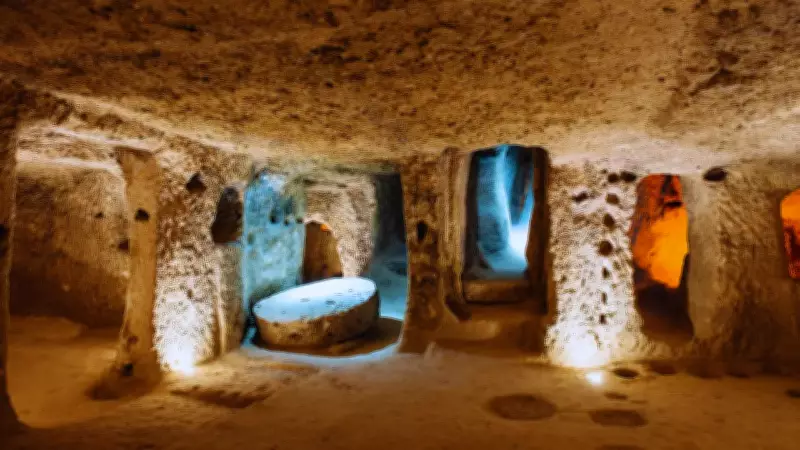
Located in Cappadocia, Derinkuyu extends many layers underground. Historians believe it once housed thousands during invasions or wars. Tourists can explore tunnels leading to churches, kitchens, wells, storage areas, and communal spaces. Large rolling stone doors effectively sealed off tunnels from intruders. The deeper you go, the more impressive the engineering becomes.
2. Kaymakli Underground City, Türkiye
Also in Cappadocia, Kaymakli features extensive tunnel networks. Several layers are open to the public, revealing how people lived underground. Visitors can explore tunnels connecting kitchens, chapels, wine rooms, and living quarters.

3. Özkonak Underground City, Türkiye
Less crowded than other Cappadocian cities, Özkonak offers a unique experience with its defense mechanisms: communication holes, ventilation shafts, and narrow corridors to trap intruders. It's a worthwhile alternative to busier sites.
4. Naours Underground City, France
Beneath the French countryside, Naours features numerous rooms connected by kilometers of tunnels. This hidden town includes chapels, wells, bakeries, and living spaces. Soldiers during World War I carved messages in the tunnels, still preserved today.
5. Coober Pedy, Australia
One of the few underground cities still inhabited, Coober Pedy lies in the scorching Australian desert. Known for opal mining, locals built underground dwellings called dugouts to escape the heat. Tourists can stay in underground hotels, visit churches, bars, museums, and homes carved into sandstone.
6. Wieliczka Salt Mine, Poland
Near Kraków, this salt mine resembles an underground kingdom with tunnels, chambers, lakes, sculptures, and chapels made entirely of salt. The highlight is the Chapel of St. Kinga, featuring chandeliers crafted from salt crystals.
7. Edinburgh Vaults, Scotland
Beneath Edinburgh's South Bridge, the vaults were originally used as warehouses. They later became associated with poverty, crime, and ghost stories. Guided tours lead visitors through dim chambers and tunnels, recounting spooky tales of the past.
8. Matmata, Tunisia
This village is famous for underground troglodyte homes built by Berber people. Instead of building upward, they dug large pits and carved living quarters from the earth, keeping interiors cool in the desert heat. Some are still inhabited, while others have become resorts. Matmata gained fame from its appearance in Star Wars movies.