

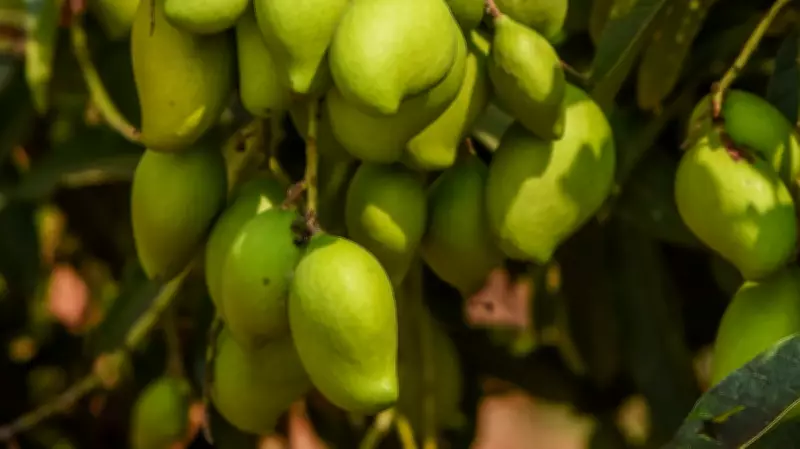
Activists Advocate for Biodiversity Heritage Site Designation for Appemidi Growing Areas in Karnataka
In a significant environmental push, activists in Karnataka are intensifying their demand for the official recognition of Appemidi growing regions as biodiversity heritage sites. This initiative aims to protect and preserve the unique genetic and cultural legacy associated with these areas, which are integral to the state's ecological fabric.
Proposal Highlights Unique Genetic Diversity and Cultural Significance
The formal proposal, spearheaded by Anant Hegde Ashisara, the former chairman of the Board, and Balachandra Hegde Sayimane, a distinguished member of the Western Ghats Task Force, underscores the exceptional characteristics of Appemidi. According to their detailed submission, Appemidi boasts a remarkable genetic diversity, with over 100 recognised varieties that are deeply intertwined with both cultural traditions and ecological heritage.
This rich biodiversity is not merely a botanical asset but a living testament to the region's historical and environmental narratives. The activists argue that such diversity warrants special protection under heritage site status to prevent degradation and ensure sustainable management for future generations.

Implications for Conservation and Community Engagement
Granting biodiversity heritage site status to these Appemidi growing areas would have profound implications:
- Enhanced Legal Protection: It would provide a stronger legal framework to safeguard against threats like deforestation, urbanization, and climate change impacts.
- Promotion of Sustainable Practices: The designation could encourage eco-friendly agricultural methods and biodiversity conservation efforts among local communities.
- Boost to Cultural Preservation: By recognizing the cultural ties, it helps preserve indigenous knowledge and practices associated with Appemidi varieties.
- Increased Awareness and Tourism: Heritage status could raise public awareness and potentially attract eco-tourism, benefiting the local economy while promoting conservation.
The activists emphasize that this move is crucial for maintaining the ecological balance in Karnataka, particularly in the sensitive Western Ghats region, where Appemidi thrives. They call for urgent action from governmental bodies to consider this proposal seriously, highlighting the need for collaborative efforts between policymakers, environmentalists, and local residents.
As the debate gains momentum, stakeholders are hopeful that Karnataka will set a precedent in biodiversity conservation by acknowledging the invaluable contribution of Appemidi to both nature and culture.






