

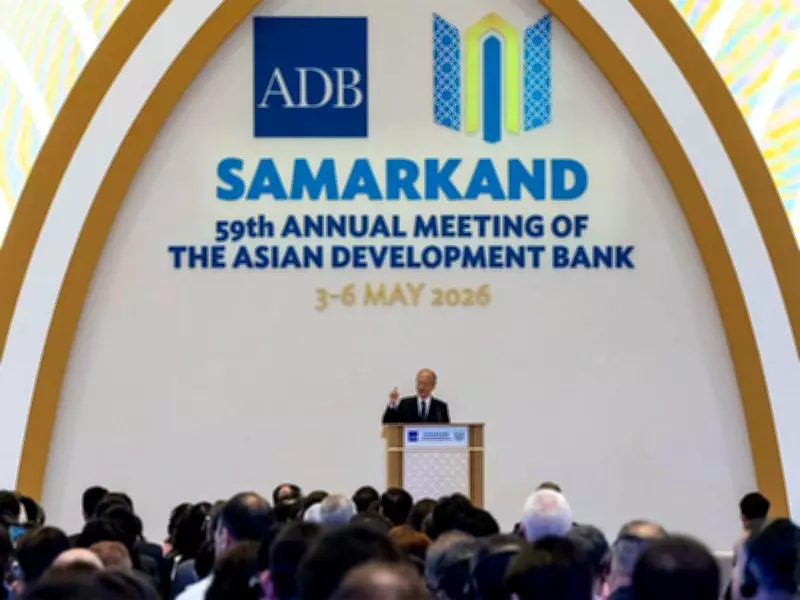
The Asian Development Bank (ADB) has announced a significant initiative to mobilize USD 50 billion aimed at enhancing regional connectivity through the development of a Pan-Asia power grid. This ambitious project seeks to strengthen energy security, promote sustainable development, and foster economic integration across Asia.
Key Objectives of the Initiative
The primary goal of the ADB's initiative is to create a seamless power grid that connects various countries in Asia, enabling the efficient transmission of electricity across borders. This would help address energy shortages, reduce reliance on fossil fuels, and facilitate the integration of renewable energy sources such as solar, wind, and hydropower.
Benefits for Member Countries
The Pan-Asia power grid is expected to bring numerous benefits to ADB member countries. These include improved energy access, reduced electricity costs, enhanced grid reliability, and increased opportunities for cross-border energy trade. Additionally, the project aims to support the region's transition to a low-carbon economy by enabling the sharing of clean energy resources.

Funding and Implementation
The USD 50 billion mobilization will involve a combination of ADB's own resources, co-financing from partner organizations, and private sector investments. The ADB will work closely with governments, utilities, and other stakeholders to develop the necessary infrastructure, including transmission lines, substations, and smart grid technologies.
Strategic Importance
This initiative aligns with the ADB's broader strategy to promote regional cooperation and integration. By enhancing energy connectivity, the bank aims to support sustainable economic growth, reduce poverty, and improve living standards across Asia. The Pan-Asia power grid is also seen as a critical step toward achieving the United Nations Sustainable Development Goals (SDGs), particularly those related to affordable and clean energy (SDG 7) and climate action (SDG 13).
Challenges and Opportunities
While the project holds great promise, it also faces several challenges, including regulatory hurdles, financing gaps, and technical complexities. However, the ADB is confident that with strong political will and collaborative efforts, these obstacles can be overcome. The initiative presents a unique opportunity to transform the region's energy landscape and set a precedent for other parts of the world.
In conclusion, the ADB's commitment to mobilizing USD 50 billion for the Pan-Asia power grid marks a major milestone in the pursuit of regional connectivity and sustainable development. As the project progresses, it is expected to deliver substantial economic, social, and environmental benefits for all participating countries.






