

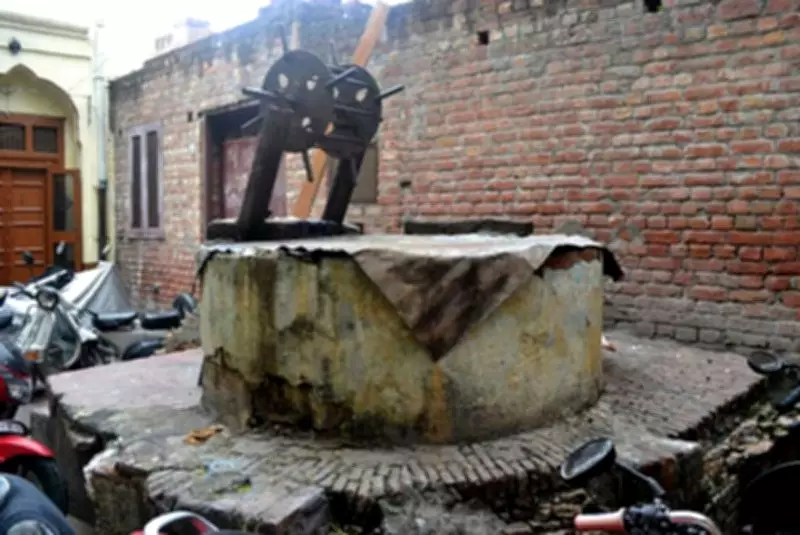
Amritsar, famously known as the city of sarovars (sacred water tanks), is now turning its attention to reviving its forgotten wells, locally called khoohs. These historic water sources, once vital for daily life, have fallen into disuse and neglect. The city administration, along with heritage activists, has launched an initiative to restore these wells, aiming to preserve cultural heritage and promote sustainable water management.
Historical Significance of Khoohs
The khoohs of Amritsar date back centuries and were integral to the city's water supply system. They were not only sources of drinking water but also served as community gathering spots. Many of these wells are architecturally significant, featuring intricate brickwork and stone carvings. Over time, with the advent of modern water supply systems, these wells were abandoned and many were covered or filled with debris.
Restoration Efforts Underway
The restoration project is being carried out by the Amritsar Municipal Corporation in collaboration with the Indian National Trust for Art and Cultural Heritage (INTACH). The first phase involves identifying and mapping all existing khoohs. So far, over 50 wells have been documented, and work has begun on cleaning and restoring them. The project also aims to create awareness among citizens about the importance of these historic structures.

According to officials, the restored wells will be maintained as public water points, with proper filtration systems to ensure water quality. They will also be illuminated at night to highlight their architectural beauty. The initiative is part of a broader effort to revive Amritsar's water heritage, which includes the cleaning of sarovars and the restoration of stepwells.
Community Involvement
Local residents have welcomed the restoration drive. Many recall stories from their grandparents about the khoohs and their role in community life. The project has also involved school students, who are being educated about water conservation and the historical significance of these wells. Heritage walks are being organized to showcase the restored khoohs, attracting tourists and history enthusiasts.
Environmentalists have praised the move, noting that traditional water harvesting structures like khoohs can help recharge groundwater and reduce dependence on municipal water. The restoration project is expected to be completed within a year, with plans to integrate the wells into the city's tourism circuit.
Amritsar's initiative serves as a model for other cities looking to preserve their water heritage while addressing modern water challenges. By restoring these forgotten khoohs, the city is not only honoring its past but also building a sustainable future.






