

Ancient Shipwreck Sheds Light on Medieval Europe's Maritime Prowess
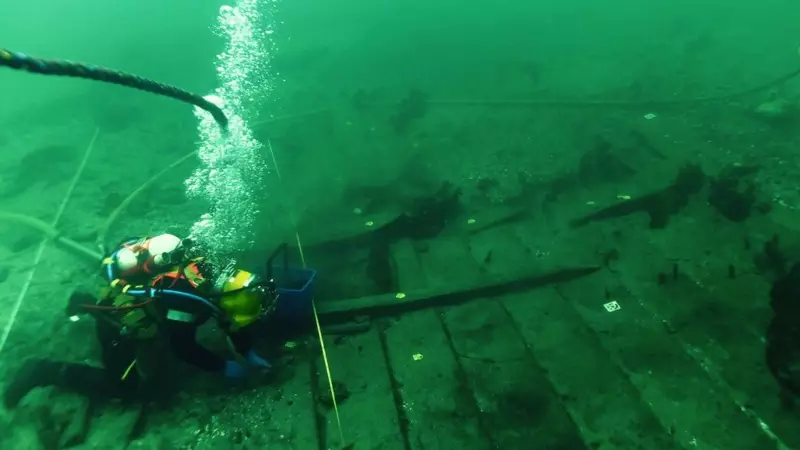
A colossal shipwreck, dating back approximately 600 years, has been unearthed in the Baltic Sea, providing a remarkable window into the sophisticated maritime capabilities and far-reaching trade connections of medieval Europe. This extraordinary discovery, made by a team of international archaeologists, is not merely a relic of the past but a treasure trove of historical data that challenges previous assumptions about the era's technological and economic landscape.
Unprecedented Preservation in the Baltic Depths
The ship, remarkably well-preserved due to the cold, low-oxygen conditions of the Baltic Sea, measures an impressive length, indicative of the large vessels used for long-distance voyages during the medieval period. Its structural integrity, including wooden hull components and rigging elements, has survived centuries underwater, allowing researchers to study construction techniques in unprecedented detail. This preservation offers clues about shipbuilding methods that enabled European explorers and traders to navigate vast oceans.
Key Findings from the Wreckage- The ship's design suggests it was a merchant vessel, possibly involved in the lucrative trade of goods like spices, textiles, and precious metals.
- Artifacts recovered include ceramic pottery, metal tools, and personal items, hinting at the daily life of sailors and the cargo they transported.
- Analysis of the wood and materials points to origins in Northern Europe, linking it to trade routes that connected regions across the continent and beyond.
Insights into Medieval Global Trade Networks
This discovery underscores the complexity and scale of medieval Europe's trade networks, which extended far beyond local boundaries. The ship likely played a role in the exchange of goods between Europe, Asia, and Africa, facilitated by emerging maritime routes. Researchers emphasize that such vessels were instrumental in the economic growth of medieval societies, enabling the flow of resources and cultural influences.

By examining this shipwreck, historians can better understand how medieval Europeans mastered navigation and shipbuilding to expand their influence globally. It highlights the era's innovation in maritime technology, which laid the groundwork for later Age of Exploration voyages. The findings also prompt a reevaluation of medieval Europe's role in early globalization, showing it as more interconnected and technologically advanced than previously thought.
In summary, this 600-year-old shipwreck serves as a tangible link to a pivotal period in history, revealing the ambitions and achievements of medieval Europe through its maritime endeavors. As research continues, it promises to unveil more secrets about our shared past and the origins of modern global trade.






