Summer vacations in India used to be fairly predictable. Families would pack up to escape the heat in Shimla, Manali, Mussoorie, or Nainital, while globetrotters flew to famous international destinations like Venice, Santorini, and Bali. However, a completely different mindset is now transforming how people view travel: anti-tourism.
What Is Anti-Tourism?
Despite its name, anti-tourism does not mean staying at home. Instead, it is a growing movement that encourages travelers to avoid chaotic, overcrowded tourist traps and seek deeper, quieter experiences. This trend is a direct backlash against overtourism, where destinations become overwhelmed by visitors, straining local communities, infrastructure, and the environment. Today, many travelers are swapping major tourist hubs for tucked-away valleys and sleepy villages, and India is at the forefront of this shift.
Why Are People Ditching Hotspots?
The primary reason is overcrowding. Social media has popularized certain locations to the point where visiting them often involves sitting in traffic, standing in long lines, paying inflated prices, and losing the local charm. Additionally, travelers are becoming more conscious about where their money goes. Instead of supporting large corporate hotel chains, they want their trips to benefit local families, guides, and artisans. This mindset has fueled slow travel, which involves staying longer in one place, immersing in local culture, and avoiding rush.

"I don't mind going an extra mile for a peaceful experience. It's already crowded in the cities; on vacations, I want places with fewer people," says Sneh, a journalist in Delhi.
India's Growing Anti-Tourism Wave
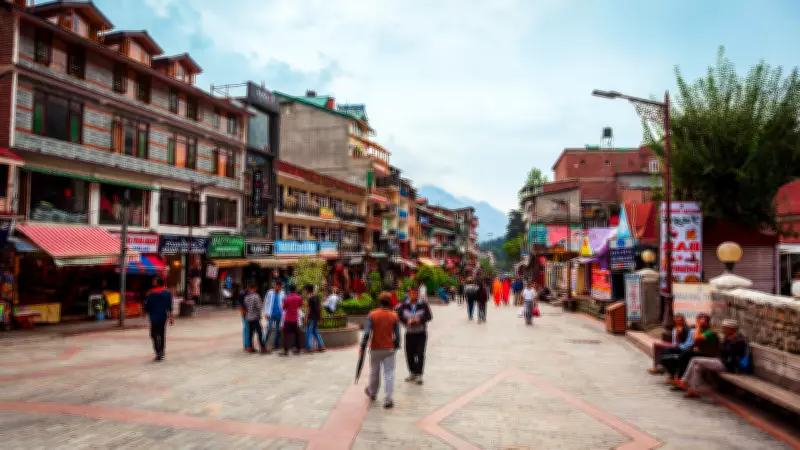
This trend is particularly visible in the Indian Himalayas. While popular hill stations like Manali and Shimla still attract large crowds, many travelers are now looking beyond them. Himachal Pradesh's Sainj Valley, located near the Great Himalayan National Park, is gaining attention for its dense forests, traditional hamlets, and nature-focused homestays. The area lacks commercial chaos, encouraging visitors to slow down, hike mountain trails, and live like locals.
Similarly, the Tirthan Valley, along the clear Tirthan River, is a hit for those seeking quiet. Known for picturesque villages, trout fishing, and accessible hikes, it offers riverside cabins, home-cooked meals, and a relaxed pace, far from honking cars and crowded markets.
Traveling Better, Not Farther
At its core, anti-tourism ensures that trips benefit communities. By staying in homestays, eating at local eateries, and hiring neighborhood guides, travelers keep their money within the local economy. "When I was in Odisha, I heard about a Hanuman temple on a steep hill that only locals spoke about. I ventured there alone, asking for directions, climbing the hill, and reaching the top. I saw no one else, but that's what I need to find myself," says Pranjal Pandey, a travel enthusiast.
This approach is often called regenerative travel. Unlike traditional tourism, which depletes local resources, regenerative travel aims to leave a place better than found by supporting local jobs, preserving traditions, and encouraging responsible behavior. Interestingly, travelers are also becoming selective about what they post online. "Gatekeeping" is rising, with people refusing to share location pins or names of pristine spots to avoid them being overrun by internet crowds. While controversial, it makes sense given the damage viral tourism can cause.
A New Chapter for Travelers
The anti-tourism trend reflects a fundamental shift in how people explore. Frantic visits to famous landmarks are out; authentic, personal trips that connect travelers with locals are in. For Indian vacationers, this often means skipping chaotic hill stations for hidden valleys or quiet villages. It is no longer about proving you visited a place, but about experiencing it thoughtfully.
As overtourism continues to strain popular destinations worldwide, anti-tourism offers a different way to see the world. It prioritizes quality over itineraries, human connection over crowds, and real moments over social media checklists.