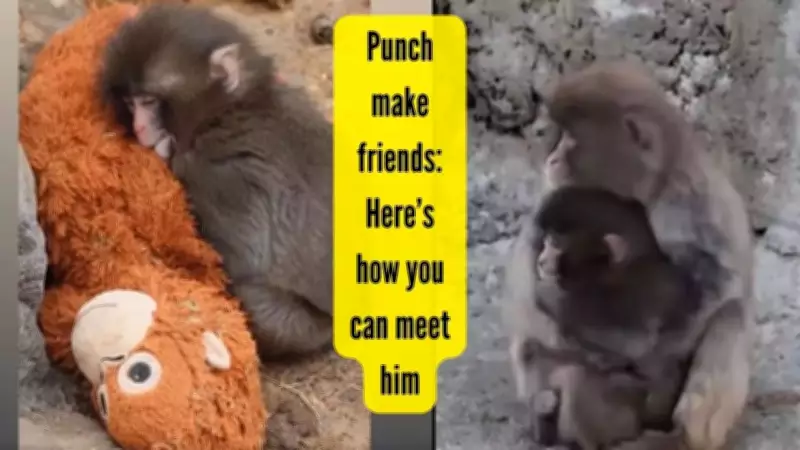
Punch the Baby Macaque Finds Friendship After Viral Plush Toy Comfort Story
When Punch, a seven-month-old Japanese macaque, was rejected by his own mother shortly after birth in July 2025, the world collectively wept for this vulnerable infant. The emotional saga deepened when Punch faced bullying from his own species, prompting an outpouring of sympathy online with many expressing desires to adopt him. The poignant moment when Punch, residing at the Ichikawa City Zoological and Botanical Gardens in Chiba Prefecture, Japan, embraced a plush toy as a surrogate mother and source of comfort resonated globally, making his plight one of the most discussed animal narratives of 2026.
From Abandonment to Global Affection
Born into a species known for strong familial bonds, Japanese macaques (Macaca fuscata) typically rely on maternal care for warmth, love, and emotional security. Punch, however, was left to navigate infancy alone, facing not only physical challenges but an existential crisis without his mother. Zookeepers stepped in, providing essential care through feeding and cuddling, yet these efforts could not fully address his deep-seated emotional needs for maternal connection.
The "Ora-mama" Plush Toy: A Surrogate Companion
In an innovative attempt to bridge this emotional gap, caregivers introduced Punch to soft objects as potential friends. They presented him with a Djungelskog orangutan plush toy from Swedish retailer IKEA, and something magical happened. Punch formed an immediate bond with the toy, drawn to its soft fur and comforting presence. Viral video footage captured him clutching the plush, dragging it around his enclosure, and even sleeping beside it, leading fans to affectionately dub the toy "Ora-mama."

Rise to International Stardom
Clips of Punch and his plush companion spread rapidly across social media platforms, amassing millions of views, shares, and an overwhelming wave of sympathy. Hashtags like #HangInTherePunch trended worldwide, transforming Punch into a global symbol of resilience. Supporters created content such as videos wearing monkey masks with captions like "On my way to be Punch's mother," highlighting how his story evolved from one of loss to an inspiring tale of perseverance.
Latest Developments: Acceptance and New Friendships
Initial videos depicted heartbreaking scenes of Punch attempting to integrate with other macaques, only to be pushed away, ignored, or bullied by older kin. These moments fueled global support, but recent updates from the zoo and visitors in late February 2026 reveal a hopeful turn. Punch has begun making new friends and is gradually being accepted into his peer group. Observations show him engaging in social behaviors like grooming—a key indicator of acceptance in macaque society—and even briefly leaving his beloved plush behind during play, signaling his growing confidence and integration.
The "Punch Effect" and Broader Impact
The phenomenon surrounding Punch and his plushie has sparked a surge in demand for orangutan toys globally, with IKEA working to restock and donating additional plushies and supplies to support the zoo. Beyond the emotional appeal, Punch's journey touches on universal themes of connection, resilience in the face of rejection, and the power of hope. He has transcended viral fame to become a beacon of inspiration for people worldwide.
Visiting Punch at Ichikawa City Zoological and Botanical Gardens
For those eager to meet Punch, he resides at the Ichikawa City Zoological and Botanical Gardens. The zoo operates from Tuesday to Sunday, 9:30 AM to 4:30 PM, with last entry at 4:00 PM, and is closed on Mondays and select public holidays. To reach from Tokyo, take the JR Sōbu Line to Ichikawa Station, followed by a 15–20 minute local bus or taxi ride. Parking is available with 240 spaces, though it can be busy on weekends and holidays. As crowds line up for hours to catch a glimpse, Punch's story continues to unfold, reminding us all of the enduring spirit of life.