

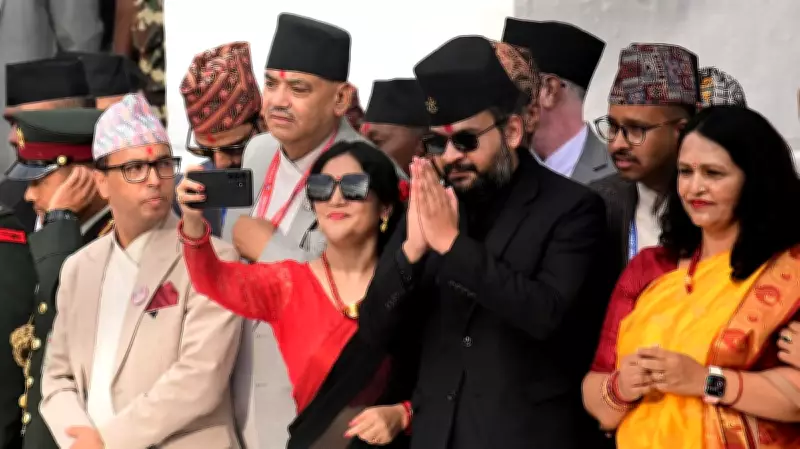
Balen Shah's Rastriya Swatantra Party Set to Form Government in Nepal After Historic Victory
In a stunning electoral outcome that has reshaped Nepal's political landscape, the Rastriya Swatantra Party (RSP), led by Balen Shah, has emerged victorious, defeating four-time Prime Minister KP Sharma Oli. This result marks a significant shift in the nation's governance, with the RSP now poised to form the next government, ushering in what supporters are calling the "Balendra Sarkar" era.
A Major Upset Against Veteran Leadership
The election saw Balen Shah, a relatively new but charismatic political figure, triumph over KP Sharma Oli, a seasoned leader who has served multiple terms as Nepal's Prime Minister. Oli's defeat is viewed as a reflection of growing public dissatisfaction with traditional political parties and a demand for fresh, youth-oriented leadership. Analysts note that Shah's campaign focused on anti-corruption, economic reforms, and greater transparency, resonating strongly with younger voters and urban populations.
Implications for Nepal's Political Future
The RSP's success is expected to bring substantial changes to Nepal's domestic and foreign policies. Key areas of focus are likely to include:

- Economic Revitalization: Prioritizing job creation and infrastructure development to boost the economy.
- Governance Reforms: Implementing anti-corruption measures and improving public service delivery.
- Diplomatic Relations: Balancing ties with neighboring countries like India and China while asserting Nepal's sovereignty.
This victory underscores a broader trend of political realignment in South Asia, where new parties are challenging established elites. The formation of the "Balendra Sarkar" is anticipated to foster a more dynamic and accountable government, though it will face challenges in coalition-building and policy implementation.
Regional and Global Reactions
International observers are closely monitoring the situation, as Nepal's strategic location between India and China makes its political stability crucial for regional security. The shift in power could influence cross-border trade, energy projects, and diplomatic engagements. Domestically, the outcome has sparked celebrations among RSP supporters, who see it as a mandate for change and progress.
As the RSP moves to form the government, all eyes will be on Balen Shah's leadership and his ability to deliver on campaign promises in a complex political environment.






