

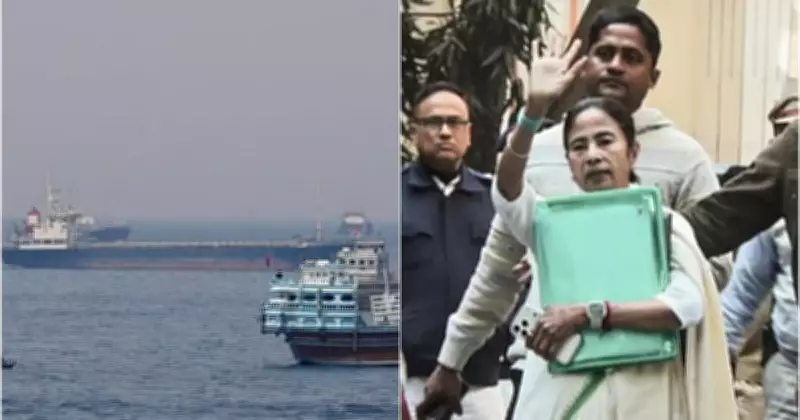
Iranian Forces Seize Two Ships in Strait of Hormuz Amid Rising Tensions
In a significant development that has heightened geopolitical tensions, Iranian authorities have reportedly seized two commercial ships that were attempting to cross the strategic Strait of Hormuz. This critical waterway is a vital chokepoint for global oil shipments, and the incident has raised concerns about potential disruptions to international trade and energy supplies. The seizure underscores ongoing maritime disputes in the region and could have far-reaching implications for diplomatic relations and security dynamics.
Supreme Court Rebukes West Bengal CM Mamata Banerjee for Interfering in I-PAC Raid
In a separate but equally notable event, the Supreme Court of India has issued a stern rebuke to West Bengal Chief Minister Mamata Banerjee for what it described as "interference" in a raid conducted by investigative agencies on the offices of the Indian Political Action Committee (I-PAC). The court emphasized the importance of maintaining the independence and integrity of law enforcement operations, warning against political meddling that could compromise investigations. This ruling highlights ongoing tensions between state governments and central agencies in India's political landscape.
The Supreme Court's criticism comes amid a backdrop of increasing scrutiny over the role of political consultancies and their influence on electoral processes. The I-PAC, known for its involvement in election campaigns, has been at the center of controversy, and this raid was part of a broader probe into alleged irregularities. The court's intervention aims to ensure that such investigations proceed without undue political pressure, reinforcing the principles of justice and accountability.

These two stories, though geographically distant, reflect broader themes of international conflict and domestic political challenges. The seizure of ships by Iran could lead to escalated tensions in the Middle East, affecting global markets and diplomatic efforts. Meanwhile, the Supreme Court's stance in India underscores the judiciary's role in upholding democratic norms and curbing political overreach, setting a precedent for future cases involving state interference.
As these events unfold, stakeholders worldwide are closely monitoring the implications. The Strait of Hormuz incident may prompt responses from other nations and international bodies, while the Supreme Court's ruling could influence political conduct in India, potentially reshaping interactions between state and central authorities. Both developments serve as reminders of the complex interplay between global security and domestic governance in today's interconnected world.






