

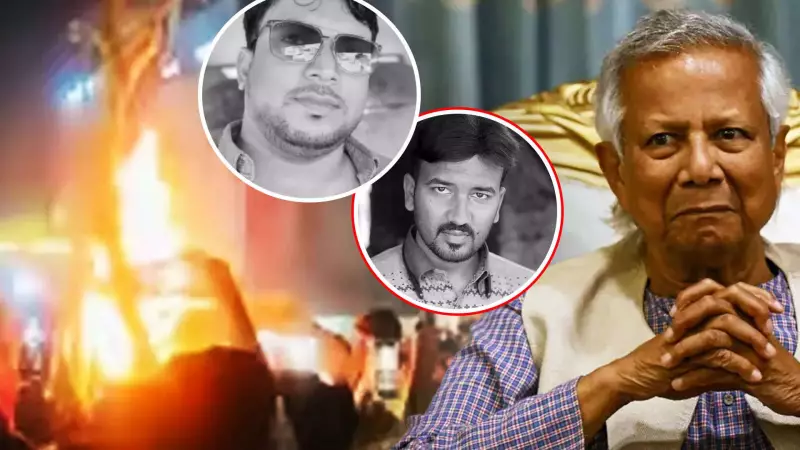
A fresh wave of violence has struck Bangladesh, claiming the lives of two more Hindu men within hours of each other. This grim development brings the total number of such killings to six in just eighteen days, intensifying fears for the safety of the country's Hindu minority and raising serious questions about law and order.
Details of the Latest Attacks
In the district of Narsingdi, a Hindu grocery shop owner named Sarat Chakraborty Mani was brutally attacked while at his workplace. He later died from the injuries sustained in the assault. In a separate and equally shocking incident in Jashore, Rana Pratap Bairagi, who worked as a journalist and also owned a factory, was shot dead in a brutal killing.
Local police authorities have confirmed that investigations into both cases are currently underway. However, the rapid succession of these violent acts has left Hindu communities across Bangladesh living in a state of heightened fear and anxiety.

A Pattern of Escalating Violence
These latest murders are not isolated events. They form part of a broader and deeply troubling pattern of violence targeting minorities in Bangladesh. Recent weeks have witnessed a series of incidents including mob lynchings, targeted shootings, and horrifying cases of sexual assault.
Rights groups advocating for minority communities have issued stark warnings, stating that the overall situation is deteriorating. They point to significant delays in the delivery of justice for victims, which only amplifies the pervasive sense of insecurity and vulnerability among minority populations.
Regional Repercussions and International Concern
The escalating crisis has drawn a strong reaction from neighboring India. The Indian government has formally expressed its deep concern over the repeated attacks on minority communities in Bangladesh. Official statements indicate that India is closely monitoring the developments across its border.
As international attention increasingly focuses on this surge of violence, a critical and urgent question hangs in the air: how long will this wave of bloodshed continue without being effectively checked by the authorities? The need for decisive action to protect vulnerable citizens and restore order is becoming more pressing with each new attack.






