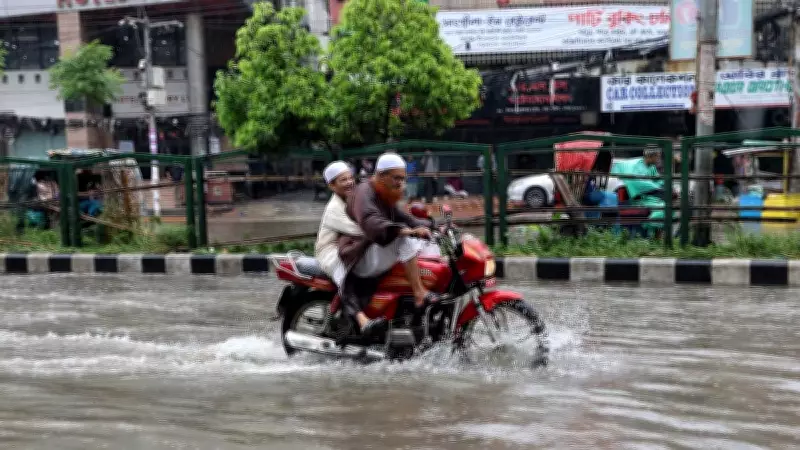
Deadly Flooding Sweeps Across Seven Districts
At least 44 people have died and more than a million remain stranded after severe floods hit seven districts in Bangladesh, the country's disaster management ministry reported on Saturday. The floods have disrupted daily life, isolated thousands of families, and left 267,918 households without access to essential services.
Widespread Displacement and Damage
The ministry stated that the flooding has submerged vast areas of cropland and damaged infrastructure, including roads and bridges. Rescue operations are ongoing, with the army and navy deployed to assist affected communities. Over 1.2 million people have been forced to flee their homes, seeking shelter on higher ground or in temporary relief centers.
Government Response and Challenges
Authorities have set up more than 3,000 shelters and distributed food and drinking water to those in need. However, access to many areas remains difficult due to rising water levels. The disaster management ministry warned that the situation could worsen as heavy rains are forecast to continue in the coming days.

According to a ministry official, "The priority now is to rescue those trapped and provide immediate relief. We are coordinating with local administrations to ensure aid reaches the most affected regions."
Impact on Daily Life and Economy
The floods have also disrupted transportation and communication networks. Many schools and businesses remain closed, and power outages have been reported in several districts. The agricultural sector, a key part of Bangladesh's economy, has suffered significant losses, with thousands of hectares of rice fields underwater.
Climate Change Concerns
Experts link the severity of the floods to climate change, noting that Bangladesh is one of the most vulnerable countries to extreme weather events. The government has pledged to strengthen disaster preparedness and invest in flood management infrastructure.