

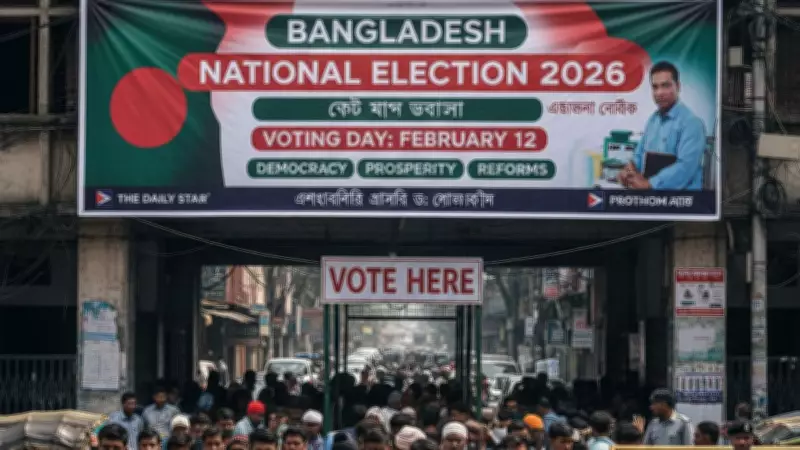
Bangladesh Announces July 2026 Date for Crucial National Election
The Election Commission of Bangladesh has officially declared that the country's next national election will be held in July 2026. This announcement sets the stage for a pivotal political contest in South Asia, with significant implications for regional stability and democratic processes. The decision follows extensive consultations and legal reviews, aiming to ensure a transparent and orderly electoral timeline.
Political Reactions and Party Positions
Major political factions have responded swiftly to the election schedule. The Bangladesh Nationalist Party (BNP), a key opposition group, has expressed cautious optimism but raised concerns about electoral fairness and the need for inclusive participation. Meanwhile, Jamaat-e-Islami, another influential party, has called for guarantees of free and fair voting processes, highlighting past disputes over election integrity.
Other parties, including the Nationalist Congress Party (NCP) and various smaller coalitions, are expected to intensify their campaigning efforts in the lead-up to the 2026 vote. Analysts predict that this election could be a defining moment for Bangladesh's political landscape, with issues such as economic development, governance, and human rights likely to dominate the discourse.

Election Commission's Preparations and Challenges
The Election Commission has outlined a comprehensive plan to prepare for the 2026 election, focusing on voter registration, security arrangements, and logistical support. Officials emphasize their commitment to conducting a credible election that upholds democratic principles and reflects the will of the Bangladeshi people.
However, challenges remain, including potential political unrest, allegations of bias, and the need to address concerns from international observers. The commission is working closely with law enforcement agencies and civil society groups to mitigate risks and ensure a smooth electoral process.
Implications for Regional and Global Dynamics
Bangladesh's national election in 2026 is poised to have far-reaching consequences beyond its borders. As a key player in South Asia, the country's political stability influences regional trade, security, and diplomatic relations. The outcome could impact Bangladesh's partnerships with neighboring countries like India and Myanmar, as well as its engagement with global powers such as the United States and China.
Observers note that the election will test Bangladesh's democratic resilience amid rising geopolitical tensions and economic pressures. The international community is likely to monitor the process closely, with calls for transparency and adherence to democratic norms.

- The Election Commission has set July 2026 as the date for Bangladesh's next national election.
- Political parties, including BNP and Jamaat-e-Islami, are gearing up for a competitive race.
- Preparations involve voter registration, security measures, and efforts to ensure electoral integrity.
- The election's outcome could shape regional stability and Bangladesh's global standing.





