

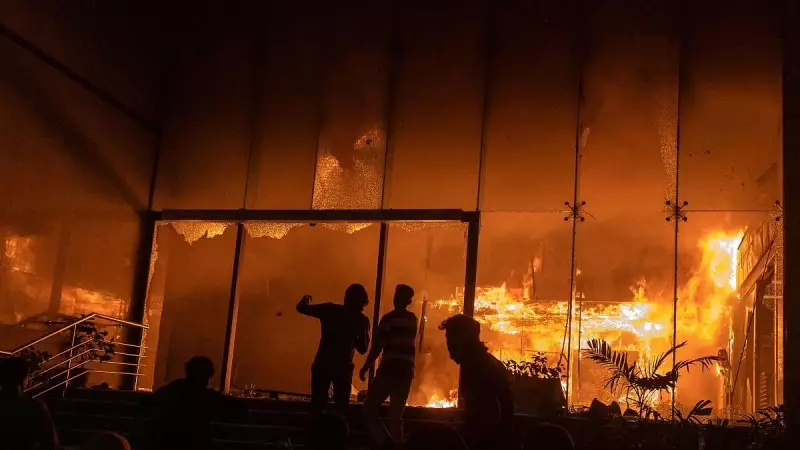
Bangladesh has significantly tightened its security apparatus following a wave of violent incidents triggered by the fatal shooting of a prominent individual. The death of Sharif Osman Hadi has plunged parts of the nation into turmoil, with coordinated mobs targeting major institutions.
Unrest Erupts After Targeted Killing
The immediate aftermath of Sharif Osman Hadi's killing saw a dangerous escalation in public disorder. Instead of isolated protests, the situation quickly devolved into what appears to be organized violence. Mobs, acting in a coordinated manner, launched attacks on pillars of civil society.
These attacks were not random but focused on specific, influential targets. Major newspapers and cultural institutions found themselves under assault, pointing to a deliberate attempt to stifle discourse and intimidate the public sphere. This development has raised alarm bells both domestically and internationally about the stability of the region.

Government Response and Security Crackdown
In response to the escalating crisis, Bangladeshi authorities have moved swiftly to impose order. A widespread security tightening is now in effect across the country, particularly in urban centers and sensitive areas. The government's primary aim is to prevent further violence and protect key infrastructure from additional attacks.
The decision to bolster security forces was announced as reports of the institutional attacks spread. The situation remains fluid, and officials are likely assessing the risk of continued unrest in the South Asian nation. The timing of these events, as reported by Reuters on 20 December 2025, adds a layer of complexity to the nation's ongoing political and social challenges.
Broader Implications and Regional Concerns
The killing of Hadi and the subsequent violent backlash represent more than a local law-and-order issue. Analysts fear that such targeted attacks on media and culture could have a chilling effect on free expression and pluralism in Bangladesh. The events underscore deep-seated tensions that threaten to erupt into wider civil strife.
The international community is watching closely as Bangladesh navigates this precarious moment. The stability of this key South Asian country is crucial for regional equilibrium. How the government manages the security situation in the coming days will be critical in determining whether the nation moves toward calm or further confrontation.
As of the latest updates, the full motive behind the initial killing and the precise orchestrators of the mob violence remain under investigation. The nation holds its breath, hoping the reinforced security measures will curb the violence and allow for a peaceful resolution.






