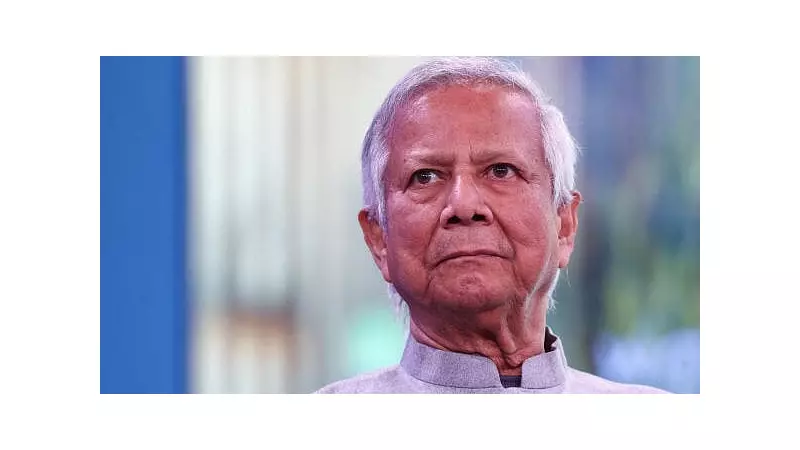
A young Bangladeshi student leader, who was critically injured during recent violent protests in Dhaka, has succumbed to his injuries while receiving treatment in Singapore. The death has sent shockwaves through Bangladesh, prompting Nobel laureate Muhammad Yunus to call for a swift and transparent investigation.
A Life Cut Short Amidst Protest Violence
The victim, identified as Mohammad Rasel, was a central figure in the ongoing student-led movement demanding reforms to Bangladesh's quota system for government jobs. The protests, which have rocked the nation for weeks, turned violent on a fateful day in Dhaka.
According to reports, Rasel sustained severe head injuries during clashes between protesters and law enforcement. He was initially treated at the Dhaka Medical College Hospital but his condition remained critical. In a bid to save his life, he was airlifted to Singapore for advanced medical care earlier this week. Despite the efforts of specialists, he passed away on Friday, July 12th.

Nobel Laureate Steps In, Demands Answers
The tragic death has amplified calls for accountability. In a significant development, Nobel Peace Prize winner and prominent Bangladeshi economist Muhammad Yunus has publicly intervened. Yunus announced that a three-member independent panel would be formed to investigate the circumstances leading to Rasel's fatal injuries.
"We must get to the truth of what happened," Yunus stated, emphasizing the need for a credible probe. The panel is expected to include respected citizens and legal experts, aiming to provide an unbiased account of the events. This move is seen as a direct response to public outcry and mistrust surrounding the official narrative of the protest violence.
Fallout and Future of the Quota Movement
Rasel's death has become a rallying point for the protest movement. Fellow students and activists have vowed to intensify their demonstrations, now framing their struggle as a fight for justice for their fallen comrade. The atmosphere in Dhaka remains tense, with heightened security and fears of further unrest.
The core demand of the protesters is the abolition of a 30% quota reserved for descendants of veterans from Bangladesh's 1971 war of independence. They argue the system is outdated and unfairly limits opportunities for meritorious candidates from general categories. The government, led by Prime Minister Sheikh Hasina, has shown resistance to completely scrapping the system, leading to the current deadlock.
The formation of Yunus's independent investigation panel adds a new dimension to the crisis. While it may help establish facts about Rasel's death, it remains unclear if it will ease the political tensions or lead to a resolution on the quota issue itself. The nation now watches closely, mourning a young life lost while awaiting the findings of the promised probe.