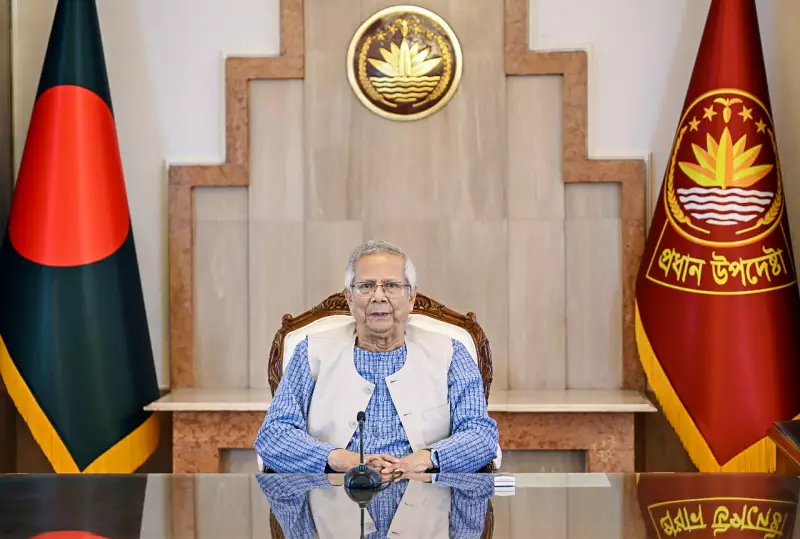
Bangladesh is approaching a defining chapter in its political saga, with simultaneous parliamentary elections and a constitutional referendum scheduled for February 2026. This dual event represents more than a routine political exercise; it is a profound test for a nation where democratic institutions have faced persistent challenges throughout its 54-year history. The outcome will shape not only Bangladesh's immediate future but also the geopolitical dynamics of South Asia, with India observing developments in its vital neighbour with keen interest.
A Nation at a Political Crossroads
The upcoming electoral process follows a period of intense upheaval. The political landscape was fundamentally altered by the violent student-led protests of July and August 2024, a watershed moment that culminated in the ouster of long-serving Prime Minister Sheikh Hasina. The human cost was severe, with over 1400 protesters losing their lives during the government crackdown. This uprising forced Hasina to flee to India and led to the creation of the July Charter, a document now central to the nation's political transformation.
The legal aftermath has kept the former Prime Minister in the spotlight. A special tribunal recently sentenced Hasina and her former home minister to death for crimes against humanity. In a separate case, she received a 21-year prison sentence for corruption. Her party, the Awami League, which presided over significant economic growth from 2008 to 2024, now operates under suspended activities, its legacy a mix of developmental gains and criticisms over democratic backsliding.

The Regional Chessboard: India, Pakistan, and Great Power Interests
The internal transition in Dhaka has triggered significant shifts in regional diplomacy. India's role is particularly crucial. The interim Bangladeshi government has intensified demands for Hasina's extradition, placing New Delhi in a delicate position as it examines the request. Bilateral trade, worth $13 billion, underscores the deep economic ties at stake.
Meanwhile, Pakistan has seized the opportunity to expand its influence. Trade relations are warming rapidly, marked by a deal for Pakistan to export 100,000 tonnes of rice to Bangladesh. Offers of port access at Karachi and plans for direct flights starting December 2025 signal a concerted charm offensive. This outreach, coupled with growing military-to-military engagement, presents a direct challenge to India's traditional sway in Dhaka.
This geopolitical maneuvering occurs against a backdrop of a generational shift. For the majority of young Bangladeshi voters, the 1971 Liberation War is history, not lived experience. Their defining political moment is the 2024 uprising, often viewed as a "Second Independence." This new perspective means India's historical support cannot be the sole foundation of the relationship; contemporary relevance and tangible partnership are now paramount.
The Path Forward: Engagement Over Assumption
Despite domestic challenges, Bangladesh continues to project engagement on the global stage. Events like the Bay of Bengal Conversation in Dhaka (November 22-24, 2025), which attracted participants from 85 countries, demonstrate a commitment to strategic dialogue. For India, the imperative is clear: preparation for engaging with a post-election government must begin immediately.
The path requires wisdom and sustained effort. India's substantial investments in Bangladeshi infrastructure must be bolstered by consistent, respectful diplomacy that speaks to current Bangladeshi aspirations. Countering rival narratives demands a sophisticated, proactive strategy that moves beyond reacting to Pakistani propaganda.
Ultimately, the February 2026 vote is a pivotal moment for Bangladeshi democracy. While the journey is imperfect, the stability of its institutions and the success of its democratic experiment are deeply intertwined with the interests of a peaceful and prosperous South Asia. India's approach must balance strategic interests with a supportive stance for democratic processes next door.