

Bangladesh's Trial by Fire: Navigating a Crucible of Challenges
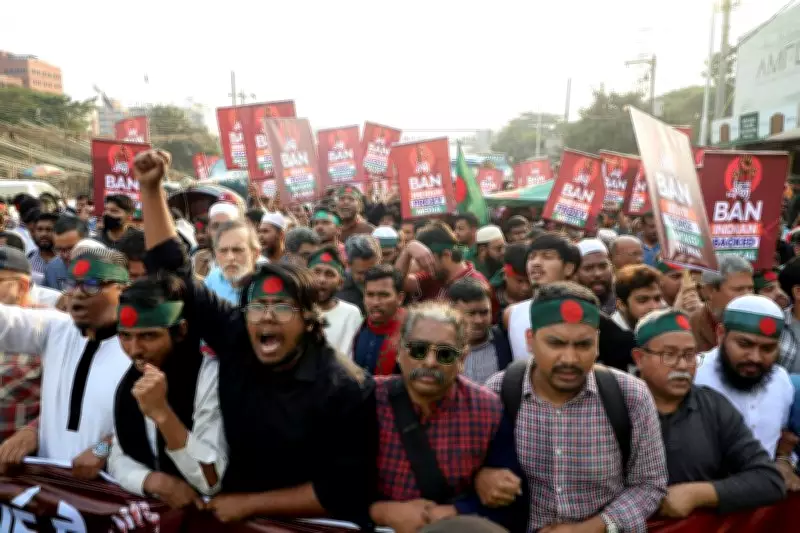
Bangladesh is currently undergoing a profound trial by fire, a period of intense scrutiny and adversity that is testing the nation's foundations on multiple fronts. This crucible of challenges encompasses political instability, economic distress, and widespread social discontent, creating a volatile environment that demands urgent attention and strategic responses from its leadership and citizens alike.
Political Turmoil and Governance Struggles
The political landscape in Bangladesh is marked by deep-seated tensions and polarization. The ruling party faces mounting criticism over allegations of authoritarianism and suppression of dissent, while opposition groups are increasingly vocal in their demands for democratic reforms and fair elections. This political strife has led to frequent protests, strikes, and clashes, disrupting daily life and undermining public trust in institutions. The government's handling of these issues is under intense scrutiny, with many observers warning that failure to address grievances could escalate into broader unrest.
Economic Pressures and Financial Strain
Economically, Bangladesh is grappling with significant pressures that threaten its recent growth trajectory. Inflation rates have soared, eroding purchasing power and hitting low-income households hardest. The currency has faced depreciation, complicating debt repayments and import costs. Key sectors like textiles and remittances, which are vital to the economy, are showing signs of strain due to global market fluctuations and domestic challenges. Experts highlight that without robust policy interventions, these economic woes could deepen, potentially leading to a full-blown crisis that impacts millions.

Social Unrest and Public Discontent
Socially, the country is witnessing a surge in unrest driven by issues such as corruption, inequality, and human rights concerns. Citizens are increasingly taking to the streets to voice their frustrations over perceived injustices and lack of opportunities. The youth, in particular, are at the forefront of these movements, demanding better governance and a more inclusive future. This social dynamism, while a sign of democratic vitality, also poses risks if not channeled constructively, as it can lead to instability and conflict.
Regional and International Implications
The trial by fire in Bangladesh has broader regional and international implications. As a key player in South Asia, its stability is crucial for regional security and economic cooperation. Neighboring countries and global powers are closely monitoring the situation, with some expressing concerns over potential spillover effects. Diplomatic efforts are underway to encourage dialogue and peaceful resolution, but the path forward remains uncertain, with outcomes likely to influence regional dynamics for years to come.
Pathways to Resilience and Recovery
Despite these daunting challenges, there are pathways to resilience and recovery. Strengthening democratic institutions, promoting transparency, and fostering economic reforms could help mitigate the crisis. Civil society and international partners play a vital role in supporting these efforts through advocacy and aid. The resilience of the Bangladeshi people, who have overcome past adversities, offers hope that with concerted action, the nation can emerge stronger from this trial by fire, paving the way for a more stable and prosperous future.






