A bear injured four people in a residential area of Japan on Tuesday, marking the latest incident in a surge of bear attacks that have alarmed the nation. The attack occurred in the Sasakino district of Fukushima in northeastern Japan, where police and fire department officials responded to an emergency call from the Fukushima Steel Works reporting bear attacks on two employees.
Details of the Attack
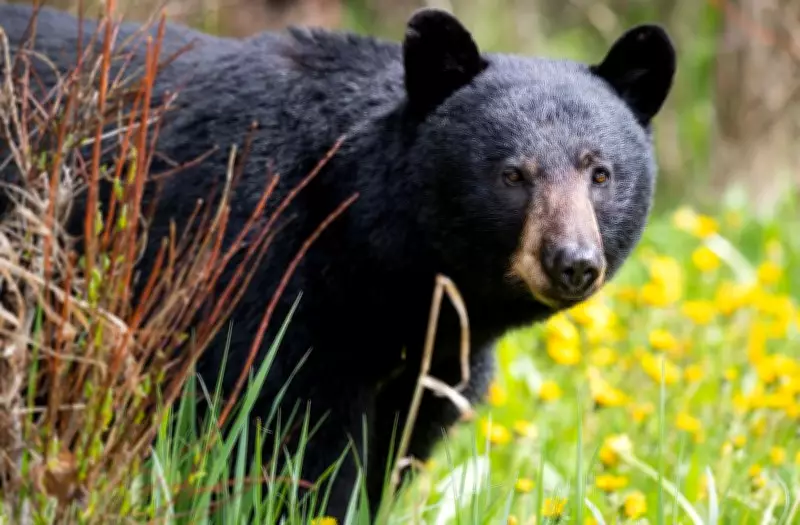
Security camera footage captured a black bear appearing near the factory entrance and chasing an employee in his 20s. As the man attempted to flee, the bear threw him to the ground. The bear then moved into the factory compound and injured a second male employee in his 60s. Subsequently, the bear attacked a third person, a male employee in his 60s at a separate company. A woman in her 80s who lived in the neighborhood was also attacked and injured, according to the Fukushima City Fire Department.
The three men sustained minor injuries, while the woman suffered moderate injuries, but none were considered life-threatening, the fire department said. As of Tuesday afternoon, the bear had not been caught and was believed to be inside the second company compound, which was surrounded by uniformed police carrying long sticks.

Impact on Local Community
Two nearby schools were closed, including Noda Elementary School, which held classes online and posted a warning on its website to "avoid non-essential outings and stay safe." The attack has frightened neighbors and rekindled fears from last year, when Japan's army was dispatched to the northern prefecture of Akita after more than 60 people were attacked by bears, including four fatalities.
Rising Bear Population and Attacks
Japan's Environment Ministry reported that in 2025, 13 people were killed in more than 230 bear attacks, exceeding the number of fatalities and attacks in any preceding year. Experts attribute the encroachment by a growing bear population to a rapidly aging and declining human population in the region, which has few people trained to hunt the animals. The Japanese government estimated the overall bear population at around 57,800 in March. Officials have adopted a roadmap for bear population management, calling for systematic culling. Under the plan, the number of municipal bear control staff will triple to 2,500 within five years, while the number of bear traps will double.
Broader Bear Sightings and Safety Measures
Bear sightings have been reported recently in Tokyo's western suburbs, including the hiking area of Okutama. Park officials have set up additional traps and launched bear alerts on social media. The government has stepped up a public awareness campaign, urging hikers and mushroom hunters to check notifications about bear sightings and avoid outdoor activity in the early morning and evening when bears are active.
Safety Tips from Environment Ministry
An environment ministry manual advises that anyone encountering a bear should not panic, move slowly, and avoid turning around and running. As a last resort, the manual says anyone attacked should turn face down, ball up, and cover their neck. "The point is to save yourself from a fatal wound," according to the manual.