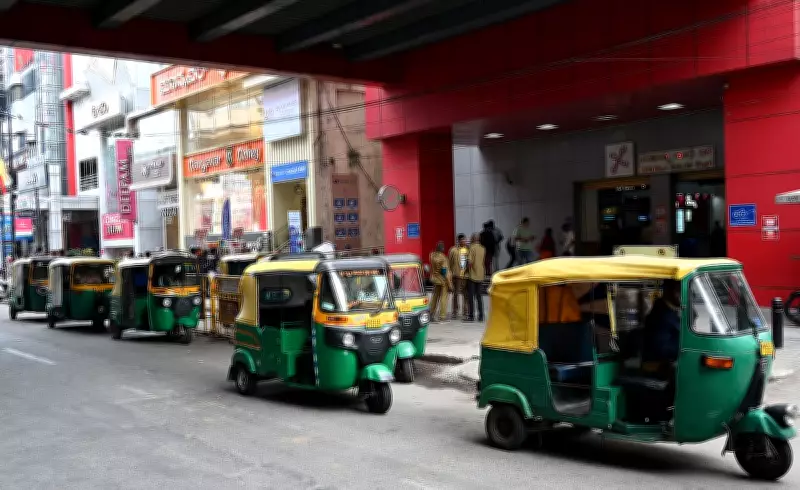
A comprehensive new survey has been launched in Bengaluru to address the city's persistent commute challenges. The initiative, spearheaded by local authorities, seeks to collect detailed data on traffic congestion, public transportation efficiency, and commuter experiences across the metropolitan area.
Survey Objectives
The primary goal of the survey is to identify the most pressing issues faced by daily commuters. By analyzing travel patterns, preferred modes of transport, and pain points such as delays and overcrowding, planners hope to devise targeted solutions. The survey also aims to gauge public satisfaction with existing infrastructure and services.
Methodology and Reach
Data will be gathered through online questionnaires, mobile app inputs, and physical interviews at key transit hubs. The survey targets a diverse sample of residents, including office workers, students, and daily wage earners, to ensure a representative understanding of the city's mobility landscape. Initial results are expected within three months.

Key Focus Areas:
- Traffic congestion hotspots and peak hours
- Reliability and frequency of buses and metro services
- Last-mile connectivity challenges
- Safety and accessibility for pedestrians and cyclists
- Impact of ride-sharing and private vehicles on traffic
Expected Outcomes
The survey's findings will inform short-term measures, such as traffic signal optimization and bus route adjustments, as well as long-term urban planning strategies. Authorities emphasize that public participation is crucial for success. The survey is part of a broader push to make Bengaluru's commute more sustainable and less stressful.
Residents have expressed cautious optimism, with many hoping that the data-driven approach will lead to tangible improvements. The city's notorious traffic jams and inadequate public transport have long been a source of frustration, and this survey represents a step toward evidence-based policymaking.