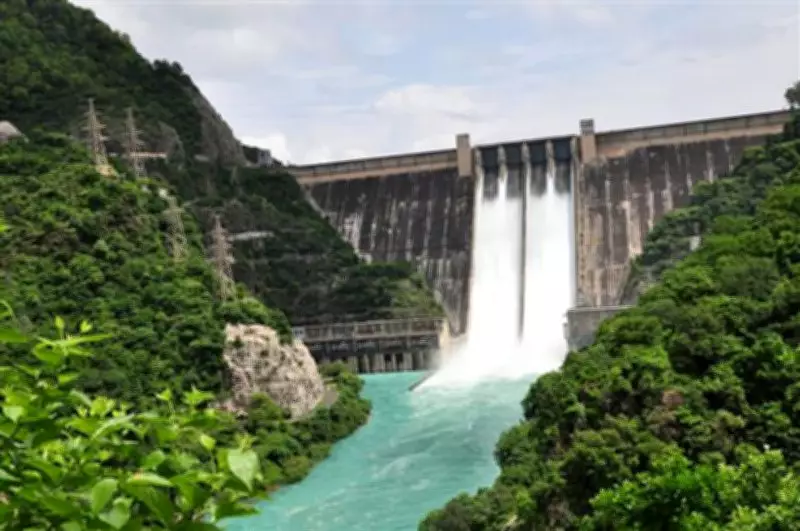
The Bhakra Beas Management Board (BBMB), a vital institution for water and power management in northern India, marked its 51st anniversary amid growing concerns over its operational efficiency. Established in 1966, the board oversees the Bhakra Nangal and Beas projects, supplying water and electricity to Punjab, Haryana, Rajasthan, and Delhi. However, aging infrastructure, rising maintenance costs, and inter-state water disputes have posed significant challenges.
Aging Infrastructure and Maintenance Woes
The board's canals and dams, built decades ago, require urgent repairs. Silt accumulation in reservoirs has reduced storage capacity, affecting water supply during dry seasons. Additionally, turbine replacements and modernization of powerhouses demand substantial investment, which the board struggles to secure due to limited funds.
Water Disputes and Political Tensions
Inter-state conflicts over water sharing have intensified, particularly between Punjab and Haryana. Punjab has demanded a renegotiation of water allocations, citing its own agricultural needs. These disputes often lead to political standoffs, delaying crucial maintenance work and impacting power generation.

Financial Constraints
The BBMB relies on revenue from electricity sales, but rising operational costs and unpaid dues from state governments have strained its finances. The board has urged the central government to intervene and provide financial support for infrastructure upgrades.
Despite these hurdles, the BBMB remains critical for regional prosperity. Experts suggest a multi-pronged approach involving technological upgrades, better water management practices, and cooperative federalism to ensure its sustainability for the next 50 years.