

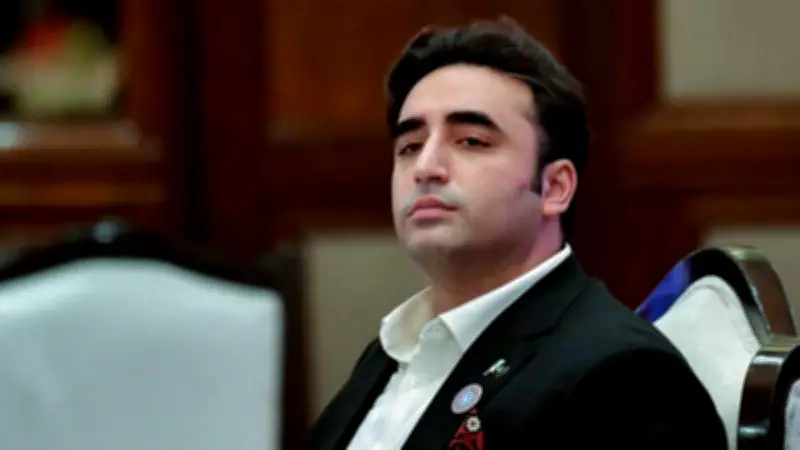
Bilawal Bhutto Zardari, the chairman of the Pakistan Peoples Party (PPP), recently faced a wave of online trolling after his call for promoting 'Made in Pakistan' defence products. The statement, made during a public address, was met with widespread mockery on social media, where users questioned the feasibility and quality of Pakistan's domestically produced defence equipment.
Context of the Statement
Speaking at an event in Karachi, Bilawal emphasized the need for self-reliance in defence production. He urged the government and private sector to focus on indigenous manufacturing to reduce dependence on imports. 'We must aim for self-sufficiency in defence. Our engineers and workers are capable of producing world-class equipment. It is time for a 'Made in Pakistan' revolution in defence,' he said.
Social Media Reaction
Shortly after his remarks, social media platforms were flooded with sarcastic comments and memes. Many users pointed to past failures and controversies surrounding Pakistan's defence exports. Some highlighted the lack of advanced technology and quality control issues. Others recalled incidents where Pakistani-made defence products faced technical glitches or failed in international markets.

Criticism and Support
Critics argue that Pakistan's defence industry, despite having some success in producing small arms and ammunition, lags behind in high-tech sectors like aerospace and naval systems. They contend that Bilawal's statement is unrealistic without significant investment in research and development. However, supporters defended his vision, citing the potential for growth and the need to boost local manufacturing.
Industry Challenges
Pakistan's defence industry has faced numerous challenges, including limited funding, reliance on foreign technology, and brain drain. While the country has achieved some milestones, such as the production of the JF-17 Thunder fighter jet and Al-Khalid tanks, these projects often involve collaboration with China and other countries. The industry also struggles with export restrictions and competition from established global players.
Political Implications
The trolling also reflects the polarized political climate in Pakistan, where statements from opposition leaders are often subjected to intense scrutiny. Bilawal's call is seen by some as an attempt to garner public support ahead of upcoming elections. Others view it as a genuine push for economic self-reliance, aligning with broader 'Made in Pakistan' initiatives promoted by various governments.
Despite the online backlash, Bilawal remains undeterred. In subsequent tweets, he reiterated his commitment to indigenous defence production, urging critics to focus on constructive dialogue rather than mockery. The episode highlights the challenges faced by Pakistani politicians in promoting nationalistic agendas amid a skeptical public.






