

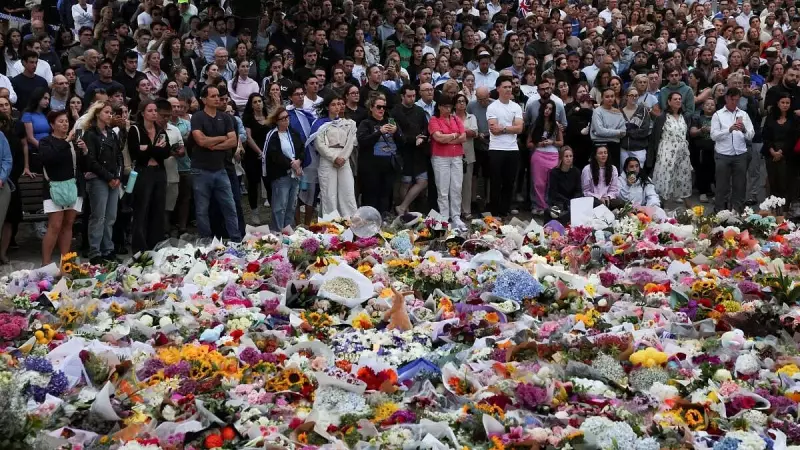
In the terrifying aftermath of a violent attack during Hanukkah celebrations in Sydney's Bondi area, a swift and courageous response from the local community emerged as a powerful beacon of hope. Eyewitness accounts reveal that moments after the gunfire ceased, a trained crew of surf lifesavers, locally known as "clubbies," rushed to the scene to provide critical aid.
The Immediate Aftermath: Seconds That Made a Difference
According to a friend who was present at the scene, the transition from chaos to coordinated help was remarkably fast. Within seconds of the gunfire ending, a group of these volunteers mobilized. This rapid deployment was not a matter of chance but the result of ingrained training and a deep-seated culture of community service prevalent among Australia's surf lifesaving clubs.
Recognisable Gear and Training in Action
Videos from the aftermath of the tragic event on 15 December 2025 showed familiar lifesaving equipment and the distinct yellow boards used for rescues. This equipment was identical to what volunteers train with at nearby beaches like Bronte. The presence of this gear highlighted a crucial point: the individuals responding were not just bystanders but trained volunteers equipped to handle emergencies, even one as severe as an armed attack.

The connection is personal for some. One observer, who had undergone volunteer training in the neighbouring suburb of Bronte, instantly recognised the equipment and the protocol being followed. This underscores how community-based skills, often associated with beach safety, can transcend their original purpose and become vital in urban crisis situations.
A Community's Instinct to Protect
The actions of the Bondi and Bronte surf lifesavers reflect a broader ethos. These clubs are institutions built on vigilance, preparedness, and an unwavering commitment to saving lives, whether in the water or on land. Their instinctive surge towards danger, rather than away from it, provided the first layer of emergency response before official medical teams could fully take over.
This incident, reported by the International New York Times, shifts part of the narrative from one of sheer terror to one of profound human resilience. It demonstrates that in the face of targeted violence, the innate human response to help one's neighbour can manifest with organised efficiency. The "clubbies" did not hesitate; their training kicked in, proving that community preparedness saves lives.
While the attack left deep scars, the immediate and selfless action of these volunteers offered a glimmer of hope. It served as a powerful reminder that the fabric of a community, woven together by shared values and training, can be its strongest shield in moments of unforeseen crisis. The yellow boards on the streets of Bondi that day were symbols not of a day at the beach, but of a community rushing to protect its own.






