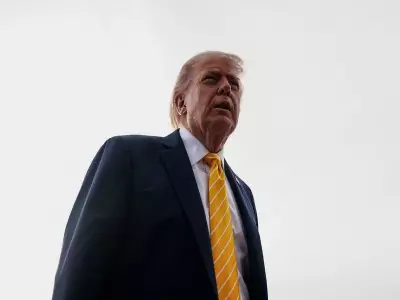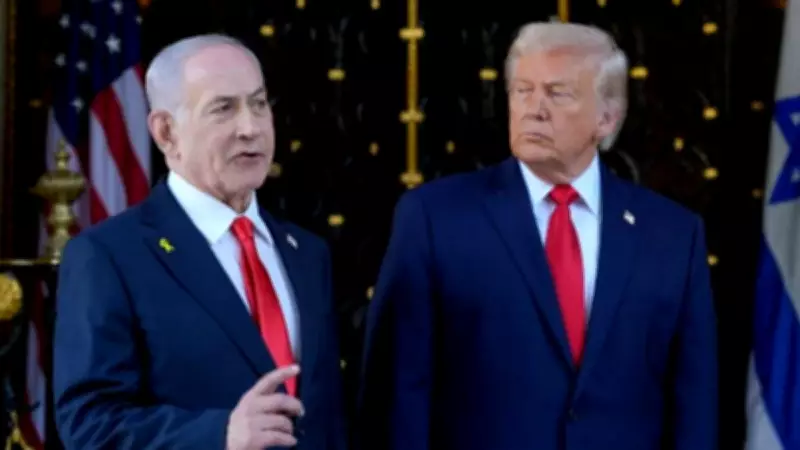
A growing rift between former U.S. President Donald Trump and Israeli Prime Minister Benjamin Netanyahu has come to light, revealing tensions over Iran policy, concerns about espionage, and the use of burner phones to avoid surveillance. The discord, once kept behind closed doors, is now spilling into public view, raising questions about the future of U.S.-Israel relations.
Spy Fears and Burner Phones
According to sources close to the matter, Trump and his aides grew increasingly wary of Israeli intelligence operations. Trump reportedly instructed his staff to use burner phones to prevent potential eavesdropping by Israeli spies. The move underscores a lack of trust that has simmered beneath the surface for years. Netanyahu's office denied any involvement in espionage activities, calling the allegations baseless.
The Iran Divide
Central to the rift is their sharply different approaches to Iran. Trump, who withdrew from the 2015 nuclear deal in 2018, has urged a more aggressive stance against Tehran. Netanyahu, while also opposing the deal, has favored a more calibrated strategy, including covert operations. Insiders reveal that Trump felt Netanyahu was not doing enough to counter Iran, while Netanyahu worried that Trump's unpredictable moves could drag Israel into a wider conflict.

Public Spats and Private Frustrations
The tensions have occasionally erupted in public. In a recent interview, Trump criticized Netanyahu's leadership, saying he was not as tough as he appeared. Netanyahu fired back, stating that Israel would not be dictated to by any foreign leader. Their aides have also exchanged barbs, with Trump's team accusing Netanyahu of ingratitude for U.S. support.
Impact on U.S.-Israel Relations
The rift could have significant implications. Analysts warn that a fracture between two key allies might undermine efforts to contain Iran and destabilize the Middle East. However, others argue that the relationship between the two countries is institutional and will endure beyond personal animosities. The Biden administration has sought to downplay the discord, emphasizing continued cooperation.
As the 2024 U.S. presidential election approaches, the dynamic between Trump and Netanyahu remains fluid. Whether they can mend fences or whether the divide deepens will be closely watched by allies and adversaries alike.