

Canada has slipped into what many experts term a technical recession, following two consecutive quarters of economic contraction. Statistics Canada reported that real gross domestic product (GDP) fell by 0.1 percent on an annualized basis in the first quarter of this year. This decline follows a downwardly revised contraction of 1.0 percent in the fourth quarter of 2025.
Historical Context of Technical Recessions in Canada
The last time Canada experienced a technical recession was at the onset of the COVID-19 pandemic in 2020. Prior to that, the country faced a similar situation during the oil price shock in early 2015. These episodes highlight the vulnerability of the Canadian economy to external shocks and domestic policy missteps.
Political Reactions and Criticism
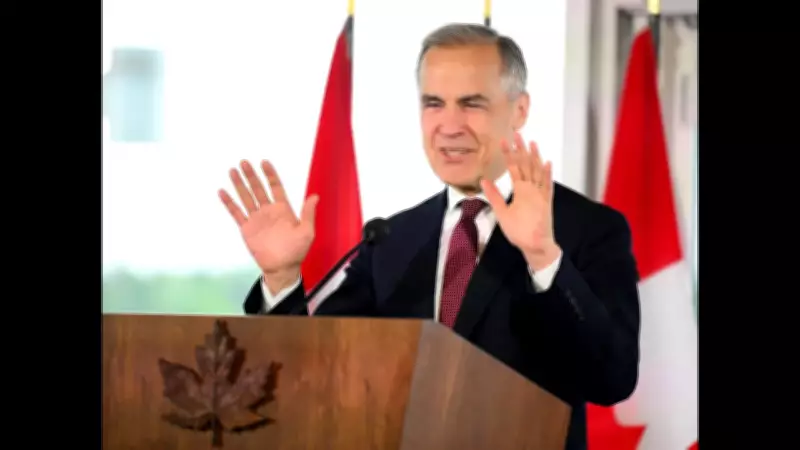
Opposition leader Pierre Poilievre has strongly criticized Prime Minister Mark Carney, asserting that Carney is the only leader among the Group of Seven (G7) nations whose country has entered a recession. Poilievre noted that all other G7 countries face similar tariff and global challenges, yet none have fallen into a recession.

“Excuses, speeches, buzzwords, and signing ceremonies do not grow the economy,” Poilievre stated. He added, “Mark Carney is the ONLY leader in the G7 to lead his economy into a RECESSION. All other G7 countries face the same tariff and global problems, yet none are in a recession... Canada is the only G7 country in recession because of Carney Liberals hiking industrial carbon taxes, kept anti-development laws, and doubling Trudeau’s deficit.”
Debate Over the Technical Recession Label
There is ongoing debate among economists regarding whether the current situation qualifies as a technical recession. The first-quarter GDP was essentially unchanged compared to the decline in the fourth quarter of last year. Douglas Porter, chief economist at BMP Capital Markets, pointed out that the difference between annualized and non-annualized figures leaves room for interpretation. The dip in the first quarter was very small and could easily be revised in future data releases. Additionally, April's growth of 0.4 percent offers a glimmer of hope for economic recovery.
“It's quite possible this could be a statistical mirage. But what I don't think is a debate is that we've basically seen next to no growth over the past year,” Porter told CBC News.
Economic Outlook and Projections
The Bank of Canada has projected that growth this year will likely be 1.2 percent, down from 1.7 percent last year. The central bank is expected to update its projections in July. The subdued growth forecast underscores the challenges facing the Canadian economy amid global trade tensions and domestic policy uncertainties.
Catch all LIVE updates on the US-Iran conflict here.






