

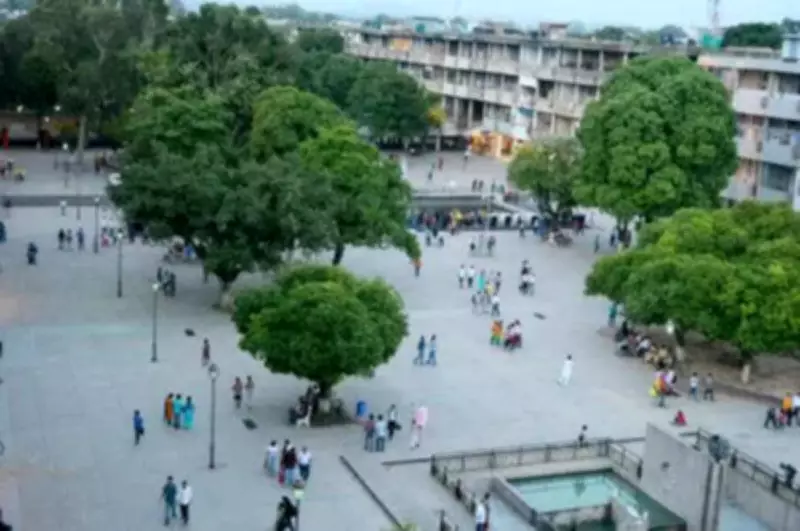
Chandigarh: The average resident of Chandigarh enjoys a significantly higher standard of living than the national average, consuming more water, milk, calories, and electricity, while also recording higher income and more vehicle purchases. However, the Union Territory grapples with greater bureaucratic hurdles and elevated crime rates, according to multiple official data sources.
Calorie Intake and Nutrition
According to the latest National Sample Survey Office (NSSO) 2023-24 data, Chandigarh's calorie intake substantially exceeds the national average. The average daily caloric intake stands at 2,410 kcal in rural areas and 2,712 kcal in urban areas of Chandigarh, as compared to national figures of 2,212 kcal (rural) and 2,240 kcal (urban). This is also higher than the neighbouring states of Punjab (2,300 kcal rural, 2,365 kcal urban) and Haryana (2,367 kcal rural, 2,360 kcal urban).
Water Supply and Consumption
Water supply in the city is nearly double the national norm. Chandigarh residents receive an average of 252 litres per capita per day (lpcd), against the national standard of 135 lpcd.

Milk Consumption
The city also tops the country in milk consumption. Chandigarh's per capita monthly milk consumption is 14.2 litres, far higher than the national average of 5.6 litres. It also surpasses urban consumption in Haryana (11.5 litres) and Punjab (11 litres).
Electricity Usage
The situation in power consumption is similar. Chandigarh's per capita electricity consumption reached around 1,702 kWh in 2023–24, well above the national average of 1,200-1,300 kWh, driven by high urban and commercial demand.
Vehicle Adoption and EVs
In terms of vehicle adoption, Chandigarh has emerged as a leader in electric vehicle (EV) penetration. In the 2025-26 fiscal year, the city recorded a 12% EV penetration rate among total vehicle sales — third highest in the country after Tripura (16.9%) and Assam (14.3%). NITI Aayog's transport electrification progress report ranked Chandigarh first in India with a score of 90, against the national average of 37.
Challenges: Bureaucracy and Crime
Despite positive indicators of prosperity and forward-looking mobility, Chandigarh faces notable challenges. In the NITI Aayog's Business Reforms Action Plan (BRAP) assessment for ease of doing business (EoDB) as of early 2026, the UT has been placed in the 'Jump start needed' category. This indicates significant scope for improvement in regulatory reforms as compared to states like Andhra Pradesh and Gujarat.
On the law and order front, Chandigarh's per capita crime rate has crossed the national average. According to the National Crime Records Bureau's (NCRB) 'Crime in India 2023' report, the UT saw a sharp rise in serious crimes, including murder, rape, theft, kidnapping, dowry deaths, and cyber offences. Suicide cases also increased, and Chandigarh recorded the highest rate of crime against senior citizens among all states and Union Territories, with 31 cases of cheating involving elderly victims registered in 2023, translating to a crime rate of 46.2%.
The contrasting picture presents Chandigarh as a high-consumption, relatively affluent urban centre that must now address governance efficiency and public safety to match its economic and lifestyle advantages.






