China has urged Pakistan to intensify its role as a mediator between Iran and the United States, according to Chinese state media. The call comes amid rising tensions in the Middle East and efforts to de-escalate conflicts in the region.
Background of the Mediation Effort
Pakistan has historically maintained close ties with both Iran and Saudi Arabia, and has often acted as a bridge between Tehran and Washington. In recent months, Islamabad has been actively involved in facilitating dialogue between Iran and the US, particularly on issues related to nuclear negotiations and regional security.
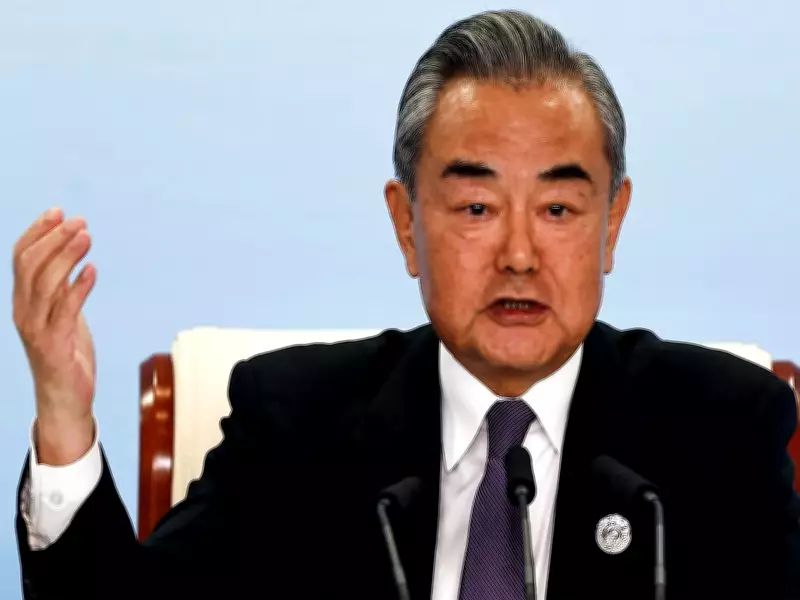
Chinese Foreign Ministry spokesperson Mao Ning stated on Thursday that Beijing appreciates Pakistan's constructive role in promoting peace and stability in the Middle East. She added that China supports all efforts that contribute to easing tensions and fostering dialogue among the parties involved.

China's Strategic Interests
China's call for Pakistan to step up mediation aligns with its broader strategic interests in the region. Beijing seeks to maintain stability in the Middle East to protect its energy supplies and investments, particularly under the Belt and Road Initiative. Pakistan is a key partner in this initiative, and its role as a mediator could help secure Chinese interests.
Analysts suggest that China's encouragement also reflects its desire to see a reduction in US-Iran tensions, which could have global economic implications. Any conflict in the region could disrupt oil supplies and affect global markets.
Pakistan's Response
In response to China's call, Pakistani officials have reaffirmed their commitment to playing a mediating role. Foreign Minister Bilawal Bhutto Zardari stated that Pakistan is ready to facilitate any dialogue that could lead to peace and stability. He emphasized that Pakistan's foreign policy is based on promoting harmony and resolving disputes through peaceful means.
Pakistan has already hosted several rounds of talks between Iranian and US officials, though significant progress remains elusive. The country's geographical location and diplomatic ties make it a suitable intermediary for such sensitive negotiations.
Challenges Ahead
Despite the willingness to mediate, several challenges persist. Deep mistrust between Iran and the US, along with divergent interests on issues like Iran's nuclear program and regional influence, complicate the mediation process. Additionally, Pakistan's own internal political and economic challenges may limit its capacity to engage effectively.
Nevertheless, China's backing provides a significant boost to Pakistan's mediation efforts. With Beijing's support, Islamabad may be able to leverage its relationships to bring the two sides closer to a diplomatic solution.
International Reactions
The international community has largely welcomed China's call for enhanced mediation. The United Nations has expressed support for any initiative that seeks to reduce tensions in the Gulf region. European countries, which have also been involved in nuclear talks with Iran, have urged all parties to engage constructively.
However, some observers caution that Pakistan's role may be limited by its own geopolitical considerations. The country's close ties with Saudi Arabia and other Gulf states could influence its approach to mediation.
In conclusion, China's urging of Pakistan to step up Iran-US mediation highlights the complex dynamics of Middle Eastern geopolitics. While the path to peace remains fraught with obstacles, renewed diplomatic efforts offer a glimmer of hope for de-escalation.