

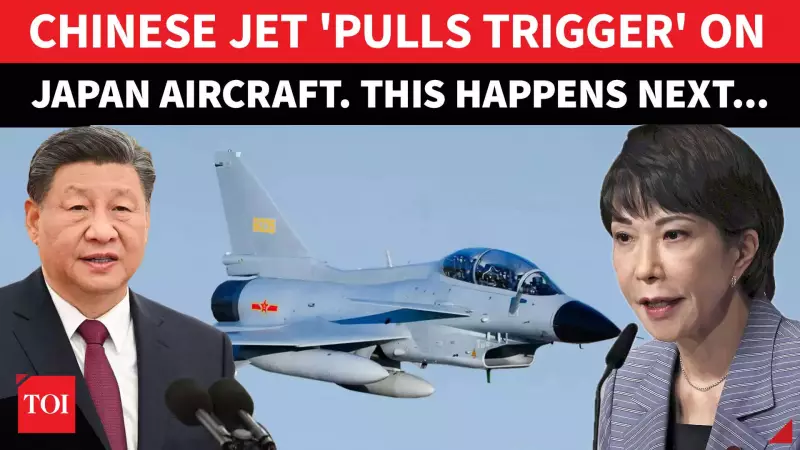
Tensions in East Asia have escalated dramatically following a dangerous aerial encounter between Chinese and Japanese military aircraft. Tokyo has formally accused Beijing of highly provocative actions, setting the stage for a fresh diplomatic crisis.
Details of the Dangerous Encounter
According to Japanese authorities, the incident occurred near the strategically vital Okinawa islands. They allege that on December 7, 2025, Chinese J-15 fighter jets directed their fire-control radar at Japanese military aircraft. This action, known as "locking on," is a serious prelude to potential weapons firing and is considered an act of aggression in military protocols. The event reportedly happened not once, but in two separate encounters, significantly raising the stakes.
Japan was swift to condemn the move, labeling it as highly provocative and lodging a strong formal protest with Beijing. The Japanese government expressed grave concern over the safety of its aircrews and the destabilizing nature of such maneuvers in international airspace.

Beijing's Rejection and Counter-Allegations
China has firmly rejected Japan's accusations. Officials in Beijing countered by claiming that the Japanese aircraft had disrupted normal Chinese naval drills in the area. This tit-for-tat blame game is characteristic of the long-standing maritime and territorial disputes between the two Asian powers.
The standoff is not occurring in a vacuum. It unfolds against a backdrop of rising tensions surrounding Taiwan, increased military deployments across the East China Sea, and growing anxiety among regional stakeholders. Both nations have been bolstering their military presence in the region, leading to a higher frequency of such close-quarters encounters.
Regional Reactions and Global Silence
The incident has sent ripples across the Indo-Pacific. Australia and Taiwan have voiced mounting concern over the potential for escalation. While the U.S. Ambassador to Japan, George Glass, has publicly voiced support for Tokyo, a notable silence has come from the top. U.S. President Donald Trump has remained publicly silent on the specific incident, even as fears of a larger conflict continue to rise among American allies in the region.
This aerial confrontation underscores the fragile security environment in East Asia. The use of fire-control radar represents a significant escalation in day-to-day military posturing, moving beyond simple shadowing to a direct threat of force. The international community will be watching closely to see if this incident leads to a dangerous new normal or prompts diplomatic efforts to de-escalate.






