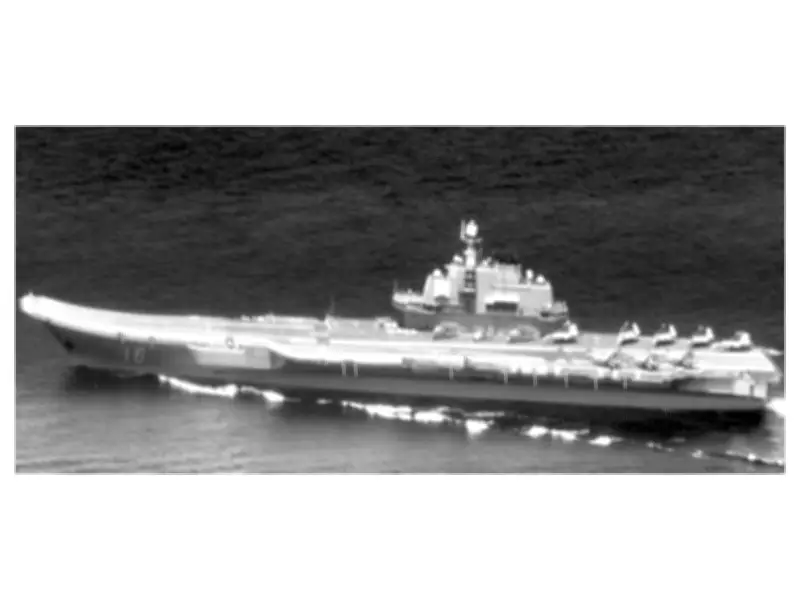
China's growing maritime tactics in Asian waters have sparked significant concern among neighboring nations and international observers. Recent reports indicate that the Chinese navy has intensified its presence in the South China Sea and other regional waters, conducting frequent patrols and military exercises. These actions are perceived as part of Beijing's broader strategy to assert its territorial claims and expand its influence in the region.
Increased Naval Activity
The Chinese navy has been increasingly active in the South China Sea, where it claims sovereignty over vast areas, including the Spratly and Paracel islands. According to defense analysts, China has deployed advanced warships and submarines, often accompanied by civilian vessels, to reinforce its presence. This has led to several close encounters with naval forces from other countries, including the United States, Japan, and the Philippines.
Territorial Disputes
China's maritime tactics are closely tied to its territorial disputes with several Asian nations. The country has built artificial islands and constructed military facilities on reefs in the South China Sea, which have been criticized by the international community. These actions violate the 2016 ruling by the Permanent Court of Arbitration, which invalidated China's claims based on historical rights. However, Beijing has rejected the ruling and continues to assert its control.

Regional Reactions
Neighboring countries have expressed alarm over China's expanding maritime tactics. Japan has increased its naval cooperation with the United States and other allies to counter China's assertiveness. The Philippines has sought support from international bodies to challenge China's claims. Vietnam and Malaysia have also strengthened their maritime defenses. The Association of Southeast Asian Nations (ASEAN) has called for restraint and adherence to international law, but internal divisions have hindered a unified response.
Global Implications
The situation in Asian waters has broader implications for global trade and security. The South China Sea is a crucial shipping lane, with about one-third of global maritime trade passing through it. Any escalation could disrupt supply chains and affect economies worldwide. The United States has conducted freedom of navigation operations to challenge China's claims, increasing the risk of miscalculation or conflict. Analysts warn that without diplomatic engagement, the region could face a security dilemma.
In conclusion, China's expanding maritime tactics are reshaping the strategic landscape in Asia. While Beijing defends its actions as legitimate sovereign rights, the growing militarization of disputed waters raises the potential for confrontation. International cooperation and dialogue remain essential to manage tensions and ensure stability in the region.