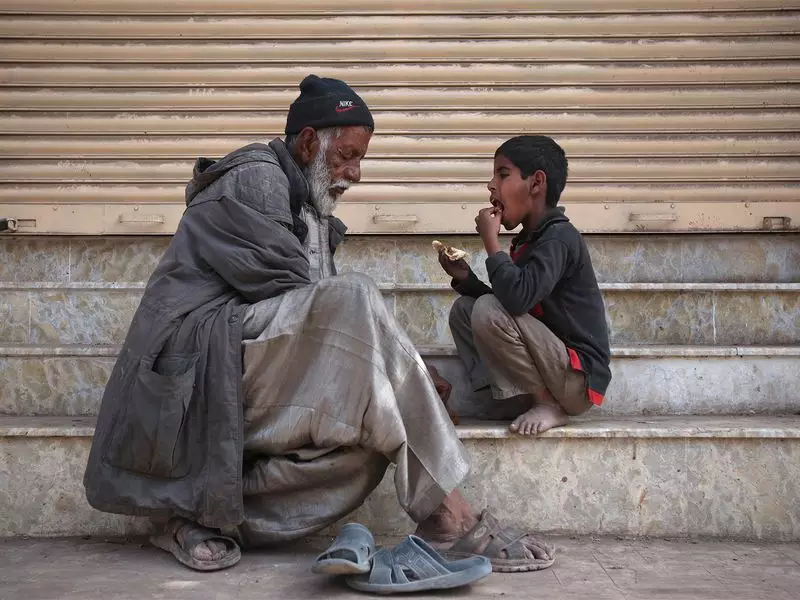
Civil society organizations and human rights activists in Pakistan have raised a powerful voice against a series of government-led eviction drives. These operations are targeting impoverished communities living in informal settlements, primarily in the capital, Islamabad, and the southern port city of Karachi.
Widespread Displacement and Demolitions
The eviction campaigns, which have intensified in recent months, have resulted in the demolition of hundreds of homes and structures. In Islamabad, authorities have focused on settlements located in the I-11 and F-11 sectors, areas deemed to be on state land. Similarly, in Karachi, neighborhoods like Gujjar Nala and Orangi Town have faced bulldozers. These actions have left thousands of men, women, and children homeless, forcing them to seek shelter in even more precarious conditions.
Human rights monitors report that these operations are often carried out with little to no prior notice and without providing adequate alternative housing or compensation. Residents, many of whom are daily wage laborers, have watched helplessly as their belongings are crushed along with their dwellings. The timing, during periods of economic hardship and seasonal weather extremes, has exacerbated the suffering.

Civil Society's Firm Condemnation
A coalition of prominent non-governmental organizations, including the Human Rights Commission of Pakistan (HRCP) and the Karachi-based Urban Resource Centre (URC), has issued strong statements denouncing the evictions. They argue that the drives violate fundamental constitutional rights to life, dignity, and shelter. The groups emphasize that the state has a responsibility to protect its most vulnerable citizens, not render them destitute.
"The government's approach is punitive and inhumane," stated a representative from a coalition of affected communities. "Instead of addressing the root causes of informal settlements, such as the lack of affordable housing and urban planning, they are simply erasing the poor from the city's landscape." Critics point out that many residents have lived in these areas for decades, contributing to the city's economy.
Legal Challenges and Government Justification
Facing public pressure, some community groups have sought legal recourse. Petitions have been filed in courts challenging the evictions, citing violations of due process. However, the judicial process is often slow, and demolitions have frequently proceeded before cases are fully heard.
On its part, the government defends the actions as necessary for "city beautification," "security," and "master plan" enforcement. Officials claim that the settlements are illegal encroachments on state or railway land and that their removal is essential for planned development projects and public safety. They often reference the need to clear drainage channels to prevent flooding, a persistent issue in Karachi.
The stark contrast between the government's narrative of development and the ground reality of humanitarian distress lies at the heart of the conflict. While urban planning is a legitimate concern, the method of achieving it through sudden, forceful displacement without rehabilitation plans is what has triggered the widespread condemnation.
A Deepening Humanitarian Crisis
The immediate consequences of these evictions are severe and multifaceted:

- Loss of Shelter and Livelihood: Families lose not only their homes but also often their small home-based businesses, pushing them deeper into poverty.
- Health and Education Disruption: Children's schooling is interrupted, and access to healthcare becomes even more difficult for displaced populations.
- Social Fragmentation: Long-established community networks are shattered, destroying social support systems crucial for survival in low-income areas.
- Increased Vulnerability: Those displaced, especially women and children, face heightened risks of exploitation, disease, and further marginalization.
The civil society groups are demanding an immediate halt to all forced evictions. They call for a transparent and participatory policy that includes meaningful consultation with residents, provision of adequate alternative housing, and fair compensation. They urge the government to address urban poverty through inclusive planning rather than exclusionary demolition.
As the standoff continues, the plight of thousands of displaced Pakistanis underscores a critical debate about development, rights, and social justice in the country's rapidly changing urban centers. The outcome will signal whether the state prioritizes concrete structures over the lives of its people.