

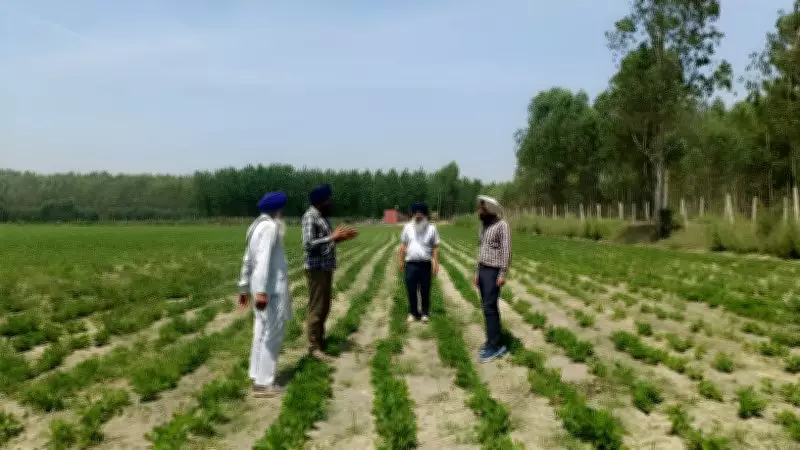
In the wake of devastating floods that wreaked havoc on Punjab's agricultural landscape, community seed banks have emerged as a beacon of hope for farmers striving to restore crop productivity. These grassroots initiatives are playing a pivotal role in reviving the region's agrarian economy, which suffered severe setbacks due to waterlogging and crop damage.
How Community Seed Banks Operate
Community seed banks function as local repositories where farmers can deposit and withdraw seeds of various crops, particularly traditional and climate-resilient varieties. Unlike commercial seed suppliers, these banks prioritize preservation of indigenous seed strains that are better adapted to local conditions and possess natural resistance to pests and diseases. After floods, many farmers found their stored seeds ruined, making these banks a critical resource.
Impact on Flood Recovery
Following the floods, which submerged thousands of hectares of farmland, farmers faced the daunting task of replanting. Community seed banks provided immediate access to quality seeds without the burden of high costs. For instance, in Jalandhar district, farmers accessed seeds of paddy, wheat, and pulses from local banks, enabling them to salvage the cropping season. The banks also distributed seeds of short-duration varieties that could be harvested before the onset of winter.

Preserving Biodiversity and Building Resilience
Beyond immediate relief, these seed banks contribute to long-term agricultural sustainability. By conserving local seed varieties, they help maintain biodiversity and reduce dependency on corporate seed suppliers. Moreover, the emphasis on climate-resilient seeds equips farmers to better withstand future extreme weather events, which are becoming more frequent due to climate change.
Government and NGO Support
Several community seed banks in Punjab have received support from state agricultural departments and non-governmental organizations. Training programs on seed preservation and sustainable farming practices have been conducted to strengthen these initiatives. Farmers are also encouraged to participate in seed exchange programs, fostering a culture of cooperation and self-reliance.
Challenges and the Way Forward
Despite their success, community seed banks face challenges such as limited storage facilities, lack of formal recognition, and insufficient funding. Experts suggest that integrating these banks into the mainstream agricultural policy framework could enhance their effectiveness. Scaling up such initiatives across flood-prone areas of Punjab could significantly bolster the resilience of small and marginal farmers.
In conclusion, community seed banks have proven to be a vital tool in helping flood-hit Punjab farmers recover and rebuild. By combining traditional knowledge with modern conservation practices, they offer a sustainable path toward food security and agricultural resilience in the face of climate change.






