

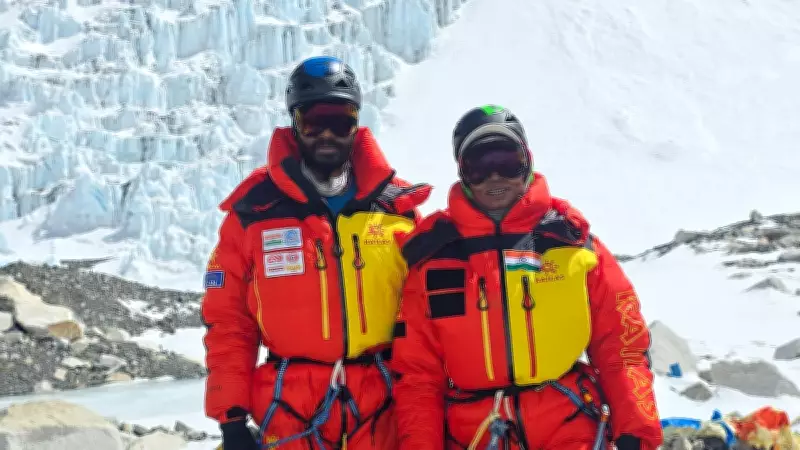
Mount Everest, the world's highest peak, is facing a growing crisis of overcrowding that is putting climbers' lives at risk. A Bengaluru mountaineer has recounted harrowing experiences of how congestion, delays, and a desperate rush for the summit create perilous bottlenecks in the mountain's Death Zone, where oxygen levels are critically low.
The Problem of Overcrowding
In recent years, the number of climbers attempting to summit Everest has surged, leading to long queues near the top. These delays are especially dangerous above 8,000 meters, an area known as the Death Zone, where the human body cannot survive for long without supplemental oxygen. Climbers often wait for hours in freezing temperatures, depleting their oxygen supplies and increasing the risk of frostbite, exhaustion, or death.
Personal Account from a Bengaluru Mountaineer
Manik Banerjee, an experienced mountaineer from Bengaluru, shared his firsthand experience of the chaos. He described how hundreds of climbers converge on the narrow Hillary Step, causing a logjam. "We were stuck for over an hour, just standing in line, watching our oxygen levels drop. People were panicking, but there was no way to move forward or back," he said. Banerjee emphasized that the rush to reach the summit before weather windows close exacerbates the problem, as everyone tries to summit on the same few days.

Factors Contributing to Congestion
Several factors contribute to the overcrowding on Everest. The number of permits issued by Nepal has increased significantly, with some seasons seeing over 300 climbers. Additionally, the rise of guided expeditions means many inexperienced climbers attempt the peak, slowing down the ascent. Weather windows are also becoming shorter due to climate change, forcing climbers to attempt the summit simultaneously.
Risks in the Death Zone
The Death Zone above 8,000 meters poses extreme risks, including hypoxia, cerebral edema, and pulmonary edema. Waiting in queues increases the time spent in this zone, depleting oxygen reserves and leading to fatal accidents. In recent years, several deaths have been attributed to overcrowding and delays. Banerjee noted that he saw climbers collapsing from exhaustion and oxygen deprivation, with rescue efforts hampered by the congestion.
Call for Better Management
Mountaineering experts and former climbers are calling for stricter regulations to manage the crowds. Suggestions include limiting the number of permits, enforcing mandatory experience requirements, and establishing fixed summit windows to stagger ascents. The Nepalese government has faced pressure to address the issue, but so far, changes have been slow. Banerjee urged authorities to prioritize safety over revenue, saying, "Every life lost on Everest is a tragedy that could be prevented with better planning."
As the climbing season continues, the story of Everest's overcrowding serves as a stark reminder of the dangers posed by commercialization and the relentless pursuit of the summit. For now, climbers must navigate not only the mountain's natural perils but also the man-made chaos of the queues.






