Deal Gives Iran the Upper Hand
As long as Tehran does not indulge in overreach, it can achieve its key objectives from negotiations, according to Shyam Saran. The much-awaited US-Iran Memorandum of Understanding (MoU), which would extend the current ceasefire by 60 days, is set to be signed in Geneva on Friday. The final text remains undisclosed, with differing versions circulated by both sides, leaving the possibility of a last-minute collapse.
Strategic Gains for Iran
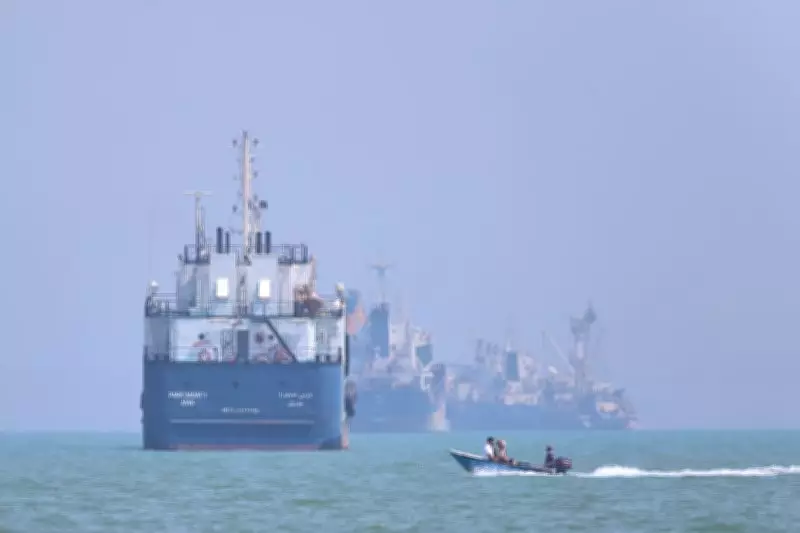
Iran's control over the Strait of Hormuz has proven to be a potent weapon. The MoU includes key understandings: a 60-day ceasefire covering Lebanon, opening of the Strait of Hormuz within 30 days, lifting of sanctions on Iranian oil sales, and release of a substantial portion of blocked Iranian funds, potentially $24 billion in tranches. This agreement is strategically beneficial for Iran, marking its emergence as a powerful regional nation.
Regional Implications
Israel views the deal as an existential threat and has attempted to derail it by continuing attacks on Lebanon. Iran responded with missile attacks on Israel for the first time, asserting its right to intervene beyond its borders. The MoU specifically includes Lebanon in the ceasefire, which could be a major setback for Israeli Prime Minister Benjamin Netanyahu and his Likud Party in upcoming elections.

Nuclear Program and Future Negotiations
The more fraught question of Iran's nuclear program, including 400 kg of uranium enriched to 60%, will be subject to subsequent negotiations. Iran reaffirms its adherence to the Nuclear Non-Proliferation Treaty and may be allowed to hold enriched uranium at a lower percentage under IAEA monitoring. The new nuclear deal is unlikely to differ much from the original JCPOA, excluding Iran's ballistic missile program, which worries Israel and Gulf neighbors.
Diplomatic Shifts
Gulf states, including the UAE, are engaging in quiet diplomacy with Iran, seeking an early end to hostilities. This accords political legitimacy to Iran's revolutionary regime and undermines Israel's ambition to be a regional superpower. A new regional balance of power with Iran as an anchor state is taking shape, an extraordinary achievement given the damage Iran suffered from bombing campaigns.
Bargaining Leverage
Iran's ability to disrupt global supply chains, including oil, gas, chemical fertilizers, and helium used in semiconductors, has served as strong bargaining leverage. Continued hostilities would prolong pain for Gulf economies, trigger inflation, and potentially cause a US recession. Iran, with superior statecraft and strategic thinking, has every prospect of achieving its key objectives from negotiations as long as it avoids overreach.