

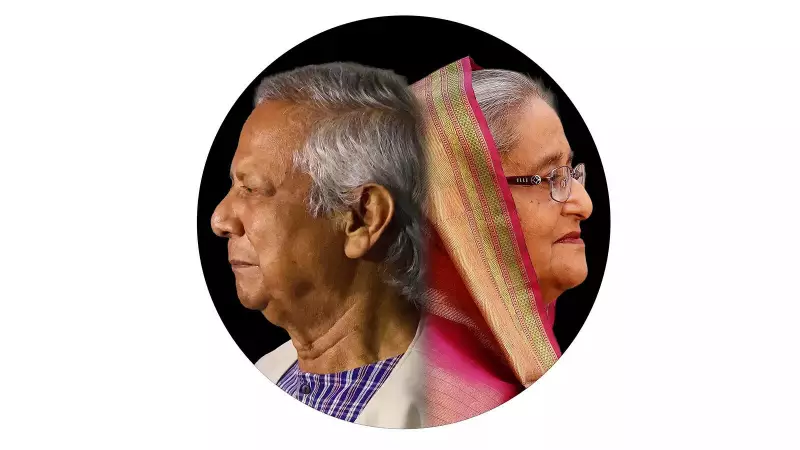
Bangladesh's democratic foundations faced a severe blow on November 19, 2025, when a controversial death sentence was delivered through what critics describe as a judicial farce. The ruling emerged from a tribunal that allegedly overstepped its legal boundaries, marking a dark chapter in the nation's political landscape.
The Controversial Trial and Its Timing
The proceedings that led to the death penalty have been widely condemned as illegitimate. The tribunal lacked authority to try cases beyond those specifically related to 1971 war crimes, yet it proceeded with this politically charged case. Observers noted the trial was rushed through the system with unusual speed, raising questions about due process and judicial independence.
This judicial controversy began shortly after Dr. Yunus assumed the role of chief adviser to an interim regime on August 8, 2024. The appointment followed a political operation that successfully ousted former Prime Minister Sheikh Hasina from power. Almost immediately after taking charge, Yunus made it evident that weaponizing the judiciary would be among his administration's top priorities.

Historical Context: The ICT's Original Mandate
The current controversy stands in stark contrast to the original purpose of Bangladesh's International Crimes Tribunal (ICT). Sheikh Hasina established the ICT in 2010 under the mandate of the International Crimes (Tribunal) Act of 1973, which had been updated in 2009. This judicial body was created exclusively to try individuals who perpetrated war crimes during Bangladesh's 1971 Liberation War.
Under its proper mandate, the ICT conducted extensive trials that led to convictions and subsequent implementation of sentences for war criminals. The tribunal's work was ongoing and focused specifically on addressing historical injustices from the liberation conflict, rather than being used as a political tool against contemporary opponents.
Political Implications and Democratic Backsliding
The recent death sentence represents a significant escalation in Bangladesh's political turmoil. The weaponization of judicial institutions against political opponents threatens the country's democratic institutions and establishes a dangerous precedent for future governance.
International observers have expressed concern about the narrowing space for political opposition and the manipulation of legal frameworks for political ends. The rushed nature of the trial and the tribunal's clear overreach of its jurisdictional limits have damaged public trust in Bangladesh's judicial system and raised alarms about the future of democracy in the nation.
As Bangladesh navigates this political crisis, the international community watches closely to see whether judicial independence and democratic norms can be restored, or whether the weaponization of courts will become a permanent feature of the country's political landscape.






