

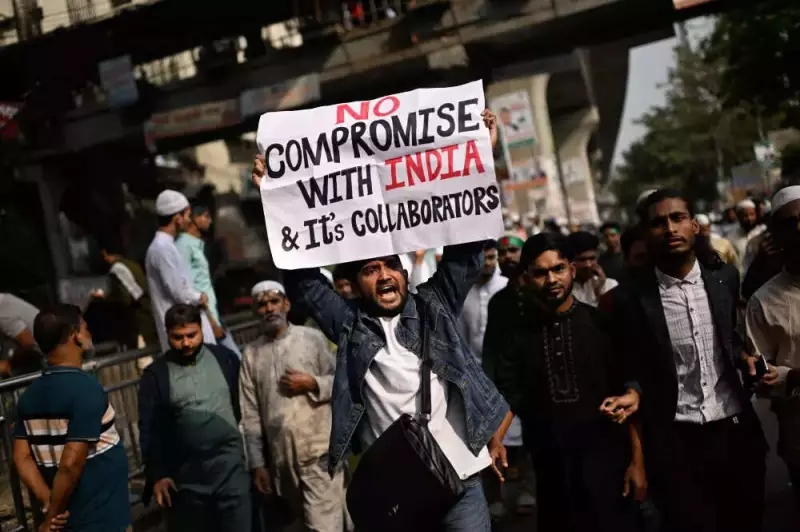
Bangladesh has been plunged into a state of severe unrest and lawlessness following the death of a key Islamist figure, sparking fears about the nation's political stability. The capital city, Dhaka, has become the epicenter of violent protests that have raised alarm both domestically and internationally.
Death of a Polarizing Figure Triggers Chaos
The catalyst for the current crisis was the death of Sharif Osman Hadi, a prominent Islamic radical known for his virulent anti-India stance. Hadi was a central orchestrator of the mass uprising in 2024, which had previously shaken the country's foundations. His passing has acted as a flashpoint, unleashing pent-up tensions among his followers and other hardline groups.
Violence Erupts Across the Capital
Over the past two days, the situation in Dhaka has deteriorated rapidly. Mobs have taken to the streets, engaging in widespread rampage and vandalism. The violence has escalated to arson, with several buildings set ablaze. In a significant attack on media freedom, rioters targeted and set fire to the offices of the country's largest newspapers, sending a chilling message to the press.

The scenes of anarchy have drawn parallels to periods of intense instability in other regions, leading to urgent questions about the influence of radical elements within Bangladesh. The government is under immense pressure to restore order and prevent the nation from descending further into chaos.
Broader Implications and Regional Concerns
This wave of violence is not an isolated incident but appears to be a direct consequence of the deep ideological and political fractures exposed during the 2024 uprising. The targeting of major media houses suggests an attempt to silence critical voices and control the narrative. Regional observers, particularly in India, are closely monitoring the situation, given Hadi's well-documented hostility and the potential for the turmoil to affect regional security dynamics.
The coming days will be critical for Bangladeshi authorities. Their ability to quell the violence, protect institutions, and address the underlying grievances will determine whether the country can step back from the brink or faces a prolonged period of instability that could reshape its political landscape.






