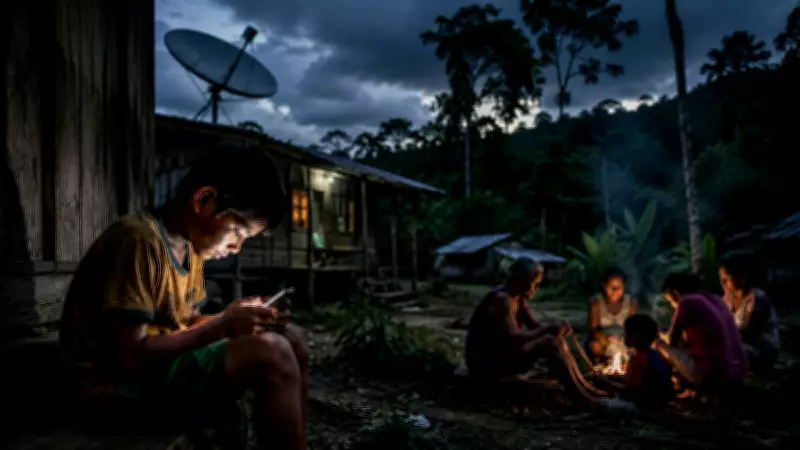
The introduction of internet access in remote Amazon Indigenous communities has brought both transformative benefits and significant challenges, according to recent observations. While connectivity improves communication, emergency response, and access to essential services such as healthcare and education, it also introduces new forms of cultural and social colonisation that threaten traditional ways of life.
Benefits of Digital Inclusion
Internet access has proven life-saving for many Indigenous communities in the Amazon. It enables faster communication during emergencies, facilitates access to telemedicine services, and opens educational resources that were previously unavailable. For example, children can now attend online classes, and adults can access information about sustainable agriculture or health practices. These benefits are particularly critical in remote areas where physical infrastructure is scarce.
Cultural Erosion Risks
However, the rapid adoption of digital technology has also led to unintended consequences. Excessive screen time and device dependency among Indigenous youth are disrupting traditional practices, social interactions, and sleep cycles. Many young people are withdrawing from community activities, leading to a loss of cultural knowledge and intergenerational bonds. This phenomenon has been described as a form of digital colonisation, drawing a metaphorical parallel to historical colonisation where external forces imposed new systems on Indigenous societies.

Exploitation Vulnerabilities
Indigenous communities face heightened risks in the online environment due to limited digital literacy. Scams, extortion, and predatory recruitment are common threats, as individuals may not be prepared to navigate the complexities of the internet. This vulnerability exacerbates existing inequalities and can lead to financial loss or even human trafficking. The lack of structured digital safety education leaves many community members exposed.
Need for Structured Solutions
Researchers and advocates emphasise the need for protocols, digital safety education, and awareness campaigns to mitigate negative impacts while preserving the benefits of connectivity. Solutions should be co-designed with Indigenous communities to ensure they respect local cultures and address specific needs. For instance, training programs on identifying scams, managing screen time, and preserving cultural practices online can help communities harness technology without losing their identity.
In conclusion, while internet access offers undeniable advantages for Amazon Indigenous communities, it also poses serious risks of cultural erosion and exploitation. A balanced approach that prioritises digital literacy and community-led governance is essential to avoid repeating the mistakes of historical colonisation.