

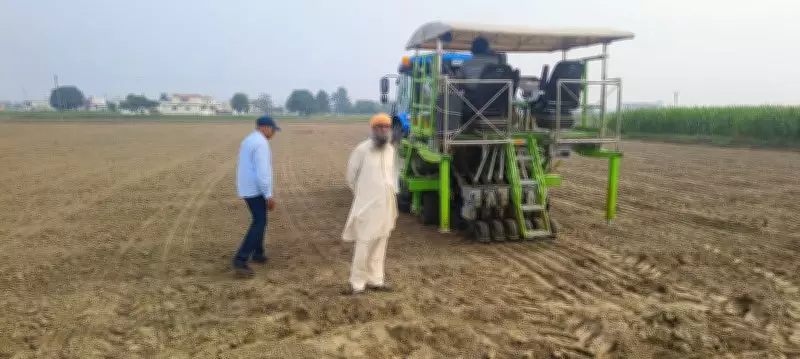
Direct seeded rice (DSR) is emerging as a sustainable alternative to traditional paddy transplantation in Haryana, offering significant savings in water and labour costs. According to recent reports, farmers adopting DSR have reduced water consumption by up to 30% and labour costs by 50%, without compromising on yield.
How DSR Works
In the DSR method, seeds are directly drilled into the field using a machine, eliminating the need for nursery preparation and manual transplantation. This technique requires less water as fields are not flooded continuously, unlike conventional paddy cultivation. The soil is kept moist but not submerged, leading to reduced evaporation and percolation losses.
Benefits for Farmers
- Water Conservation: DSR uses 25-30% less water, crucial in water-scarce regions like Haryana.
- Labour Efficiency: Labour costs drop by 50% as manual transplantation is eliminated.
- Timely Sowing: Seeds can be sown earlier, ensuring better crop establishment and higher yields.
- Reduced Methane Emissions: Non-flooded fields produce less methane, making DSR environmentally friendly.
Challenges and Adoption
Despite its benefits, DSR adoption faces hurdles such as weed management and need for precise water control. However, the Haryana government is promoting DSR through subsidies and awareness campaigns. Farmers are encouraged to use laser land levellers and proper herbicide applications to maximize success.

Experts believe that with proper training and support, DSR can transform rice cultivation in the region, addressing both water scarcity and labour shortages. The method aligns with sustainable agriculture goals and climate-resilient farming practices.
As water tables decline and labour becomes scarce, DSR offers a viable solution for Haryana's rice farmers. Continued efforts by agricultural universities and extension services will be key to scaling up this technology.






