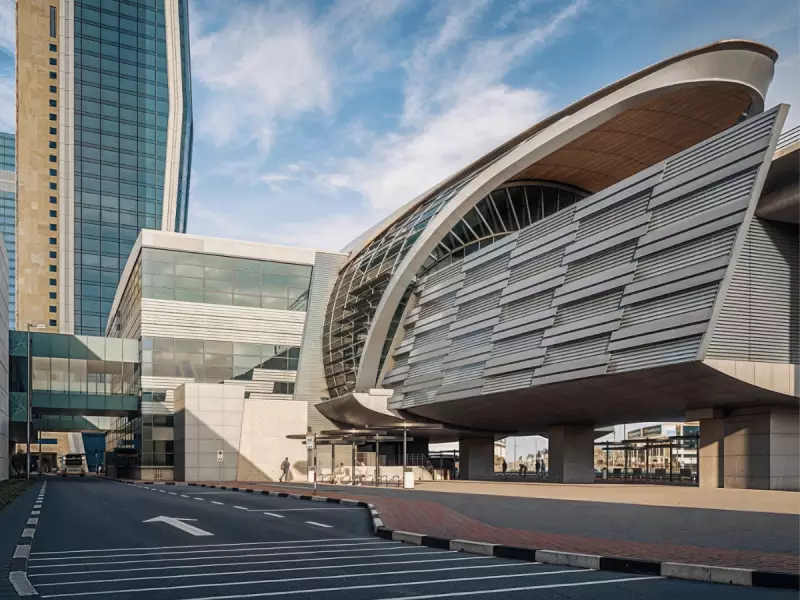
Dubai's Roads and Transport Authority has officially launched a significant upgrade of the Burj Khalifa/Dubai Mall Metro Station. This strategic partnership with Emaar Properties aims to transform one of the city's busiest transport hubs.
Addressing Growing Passenger Demands
The expansion comes as a direct response to years of increasing passenger numbers. During peak travel periods like New Year's Eve, public holidays, and national celebrations, the station frequently reaches maximum capacity. Officials emphasize this project goes beyond creating more space. It represents a necessary improvement to accommodate Dubai's long-term growth and tourism trends through 2040.
Station Expansion Details
The primary objective of this upgrade is to eliminate bottlenecks during peak times. The project specifically targets the massive crowds witnessed during New Year's Eve celebrations, Eid holidays, and shopping festivals.

Here is how the station's capacity is changing:
- Total Station Area: Increasing from 6,700 square metres to 8,500 square metres - a 27% expansion
- Hourly Passenger Flow: Boosting from 7,250 passengers to 12,320 passengers - a 65% improvement
- Daily Handling Capacity: Growing from approximately 58,000 average passengers to up to 220,000 passengers
Key Infrastructure Improvements
To support this substantial growth, the project includes multiple enhancements:
- Expanding concourse and platform areas
- Adding new escalators and elevators
- Separating entry and exit gates to improve passenger flow
- Increasing the number of fare gates
- Enhancing pedestrian bridges and station entrances
- Expanding commercial areas for better commuter experience
- Improving connections with other public transport options
These comprehensive changes aim to make transit smoother, safer, and more comfortable for both daily commuters and visitors.
Strategic Importance of the Station
Located near iconic landmarks like the Burj Khalifa and Dubai Mall, this station serves as a crucial gateway for residents and tourists alike. According to RTA figures, ridership has shown consistent growth over the past decade.
Passenger numbers have increased from 6.13 million in 2013 to more than 10.57 million in 2024. Daily averages now regularly exceed 56,000 passengers. Over the last five years, ridership has grown approximately 7.5% annually.
This sustained growth reflects Dubai's rising popularity as a global destination and the city's expanding population. Both factors place additional pressure on transport infrastructure.
Official Vision and Commuter Benefits
RTA Director General His Excellency Mattar Al Tayer stated the project aligns with Dubai's vision to build infrastructure that keeps pace with urban growth. The upgrade supports major events and enhances overall mobility across the city.
For regular commuters, this expansion means shorter wait times and reduced crowding during rush hours. Tourists will experience a more welcoming and efficient arrival at the Burj Khalifa. Ultimately, the upgrade strengthens Downtown Dubai's position as a globally connected district where mobility matches the world-class architecture.