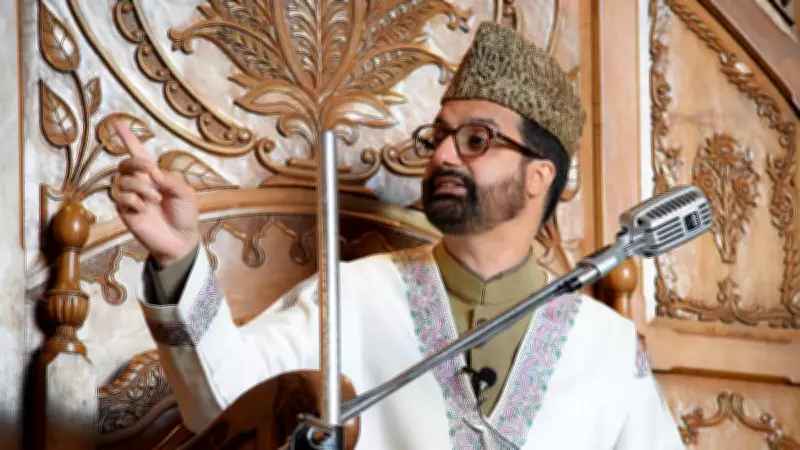
For the eighth consecutive year, authorities in Jammu and Kashmir have disallowed Eid prayers at the historic Jama Masjid in Srinagar. The decision, announced by the local administration, cites security concerns and the need to maintain public order. The mosque, one of the largest and most significant in the Kashmir Valley, has been a focal point for congregational prayers, especially during religious festivals.
Background of the Ban
The ban on Eid prayers at Jama Masjid was first imposed in 2016 following heightened tensions in the region. Since then, worshippers have been barred from gathering at the mosque for both Eid-ul-Fitr and Eid-ul-Adha prayers. Authorities have consistently maintained that the restrictions are necessary to prevent potential law and order issues. However, the move has drawn criticism from religious leaders and political groups, who argue that it infringes on the fundamental right to religious freedom.
Impact on Worshippers
Thousands of Muslims who traditionally offered Eid prayers at Jama Masjid are now forced to seek alternative venues or pray at home. Many have expressed frustration and disappointment over the continued restrictions. "It is disheartening that we cannot pray at our historic mosque for Eid," said a local resident. "We hope the situation improves soon so that we can resume our traditions."

Security Measures
The administration has deployed additional security forces in and around the mosque area to ensure compliance with the ban. Checkpoints have been set up, and movement in the vicinity is being monitored. Officials have urged the public to cooperate and avoid any gatherings that could disrupt peace. "Our primary concern is the safety of citizens," said a district magistrate. "We will review the situation periodically and consider easing restrictions when conditions permit."
Reactions and Criticism
The ban has been condemned by various political and religious organizations. The Jammu and Kashmir Awami National Conference called it an attack on religious freedom, while the Hurriyat Conference demanded its immediate revocation. Social media platforms have also seen widespread criticism, with many users sharing their discontent using hashtags like #LetUsPray and #JamaMasjid. Despite the backlash, the administration has remained firm on its decision, emphasizing that the ban is temporary and based on ground realities.
Future Prospects
There is no clear timeline for when the ban might be lifted. Officials have indicated that they will reassess the security situation after the current Eid festivities. However, given the persistent tensions in the region, many doubt that the restrictions will be removed anytime soon. For now, worshippers continue to adapt, holding smaller, localized prayers in neighborhoods and community centers.
Broader Context
The ban on Eid prayers at Jama Masjid is part of a larger pattern of restrictions on religious gatherings in Jammu and Kashmir since the abrogation of Article 370 in 2019. While authorities argue that such measures are essential for maintaining security, critics contend that they disproportionately target the Muslim majority and erode the region's cultural and religious heritage. The issue remains a sensitive and contentious topic, reflecting the ongoing complexities of governance in the region.