

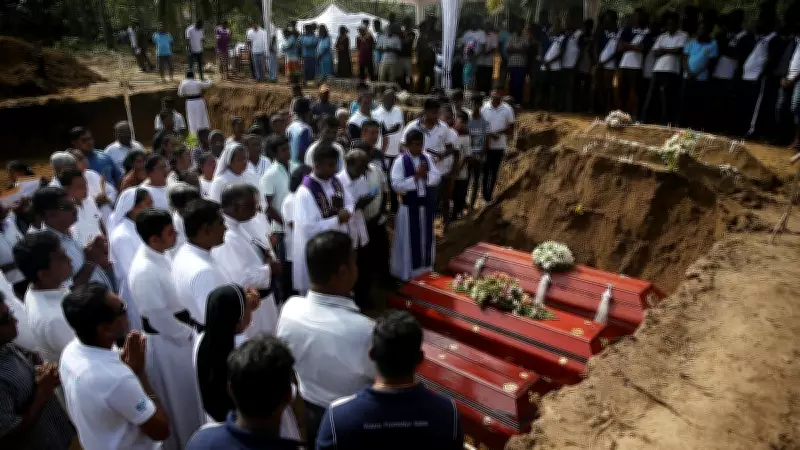
Sri Lanka's Former Intelligence Chief Named Suspect in Easter Bombings Case
The Criminal Investigation Department (CID) of Sri Lanka has officially named the country's former intelligence chief as a suspect in the ongoing investigation into the devastating 2019 Easter Sunday bombings. This significant development was disclosed during proceedings before the Colombo Fort Magistrate's Court, marking a pivotal moment in the long-running case that has gripped the nation and international community.
Court Proceedings Reveal New Suspect
In a formal submission to the court, the CID presented evidence and documentation implicating the ex-intelligence head in the attacks. The disclosure, made on March 5, 2026, represents a major breakthrough in the investigation, which has spanned several years and involved multiple agencies. The former official, whose identity has been confirmed by authorities, now faces potential charges related to the bombings that killed over 250 people and injured hundreds more.
Background of the Easter Bombings
The Easter Sunday attacks occurred on April 21, 2019, when a series of coordinated suicide bombings targeted churches and luxury hotels across Sri Lanka. The incidents shocked the world and exposed significant intelligence failures within the country's security apparatus. Since then, investigations have focused on uncovering the full extent of the plot, including possible lapses in preventive measures and accountability among top officials.

Key aspects of the case include:
- The role of local extremist groups with international links
- Alleged warnings that were not acted upon by authorities
- Ongoing legal actions against multiple suspects and organizations
Implications for Sri Lanka's Security Framework
This latest development underscores the broader implications for Sri Lanka's national security and governance structures. Naming a former intelligence chief as a suspect raises serious questions about institutional accountability and the effectiveness of counter-terrorism measures. It also highlights the persistent efforts by Sri Lankan authorities to deliver justice for the victims and their families, who have long demanded transparency and closure.
The case continues to unfold, with further court hearings expected to delve into the specific allegations against the ex-official. As the legal process advances, it is likely to influence public trust in Sri Lanka's judicial and security systems, while also drawing attention from global human rights and anti-terrorism observers.






