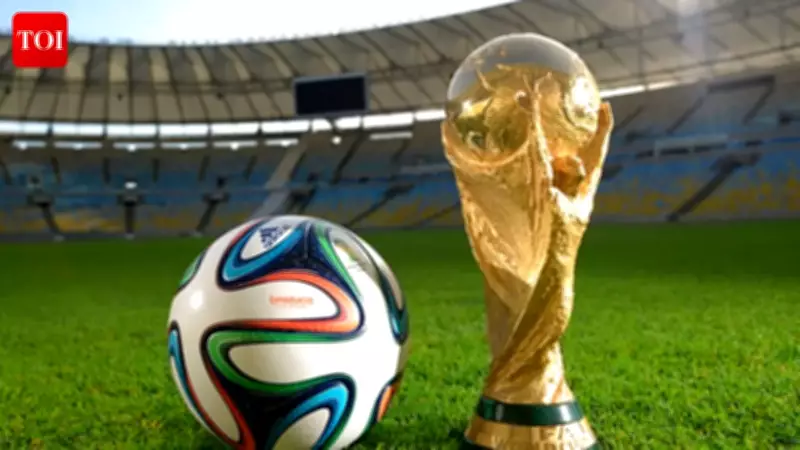
The wait is finally over. The FIFA World Cup 2026 is here, and it promises to be the most ambitious edition in the tournament's nearly 100-year history. For decades, the World Cup has been a global phenomenon, shutting down offices and filling city squares as billions unite around a single ball. But this year, the event feels entirely different, even by its own blockbuster standards.
The Biggest World Cup Ever
When the whistle blows on June 11, fans will witness the largest World Cup ever staged. Forty-eight teams, three host countries, and 104 games across 16 cities will span 39 days. The United States, Canada, and Mexico have joined forces to host football's most ambitious event, turning North America into the world's football capital for over a month.
While the hype is immense, controversy also looms. Skyrocketing ticket prices, travel hurdles, and FIFA's growing commercial push have frustrated many. As football prepares to party, the question remains: does bigger truly mean better?

Three Host Nations: A Historic First
The 2026 World Cup marks the first men's tournament split across three countries. The United States hosts most matches in venues such as New York/New Jersey, Los Angeles, Miami, Dallas, Seattle, Atlanta, Houston, Boston, Philadelphia, Kansas City, and the Bay Area. Canada welcomes games in Toronto and Vancouver, while Mexico stages matches in Mexico City, Guadalajara, and Monterrey. Mexico becomes the first nation to host matches in three different World Cups, having previously done so in 1970 and 1986. The legendary Estadio Azteca will once again take center stage.
Expanded Format: 48 Teams and New Structure
FIFA has expanded the tournament from 32 to 48 teams, aiming to increase global representation. Africa, Asia, Oceania, and North America see more slots, with over 1,200 players (1,248 to be exact) participating. Smaller nations now have a realistic shot at making history.
The new format features 12 groups of four. Each team plays three group matches. The top two from each group advance, along with the eight best third-placed teams, resulting in a 32-team knockout stage that includes a fresh Round of 32. The stages proceed as follows: Group Phase, Round of 32, Round of 16, Quarterfinals, Semifinals, Third-place Playoff, and Final. With 104 matches (up from 64), the tournament runs from June 11 to July 19, longer than any previous World Cup.
The Final Showdown
The World Cup final is scheduled for July 19, 2026, at MetLife Stadium in New Jersey, officially designated as the New York/New Jersey venue. The match is expected to draw billions of viewers worldwide, potentially becoming the biggest TV event in history. After 39 days, a champion will be crowned.
Frontrunners and Dark Horses
Argentina, the defending champions from 2022, enter with enormous expectations. A win would place them in a rare club of teams that have successfully defended their title. France boasts depth and remains a formidable force. Brazil is desperate to end its title drought and claim a sixth trophy. Spain's young squad dazzles with technical brilliance and is considered a real threat. England and Germany consistently aim high and will settle for nothing less than the title.
Dark horses always emerge. In 2022, Morocco became the first African nation to reach the semifinals; they are back and attracting attention. Japan continues to impress with discipline, technique, and fearlessness. Uruguay's young team could spring surprises. Colombia, Turkiye, and other rising teams may benefit from the expanded knockout rounds, making Cinderella runs more likely.
Messi, Ronaldo, and One Last Dance
The potential final World Cup appearances of legends Lionel Messi and Cristiano Ronaldo dominate headlines. Messi leads Argentina's squad, while Ronaldo, at 41, makes a record sixth appearance for Portugal, stating it will be his last. Their presence amplifies the emotional stakes.
Kylian Mbappe of France carries immense pressure as his team's star after a quiet club season. Harry Kane, fresh from a stellar year with Bayern Munich, is England's main hope.

Controversies Before the Whistle
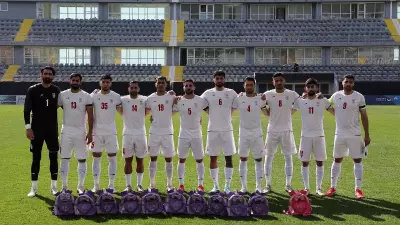
The 2026 World Cup is not without its controversies. Visa delays and travel hurdles, especially for teams and fans entering the United States, pose significant challenges. Tensions between the US and Iran, currently at war with Israel, have complicated matters. Iran qualified for the World Cup but switched its training camp from the US to Mexico after threats. US President Donald Trump warned Iran's team about safety, while FIFA refused to change match locations. Iran's player visa issues have drawn criticism of FIFA President Gianni Infantino, particularly due to his ties to Trump following US military action against Iran.
Additionally, the first Somali referee, Omar Abdulkadir Artan, was blocked from entering the US and lost his spot after diplomatic talks failed. Ticket prices have soared, with FIFA's resale site listing some final tickets at $2.3 million, with FIFA pocketing a 30% commission. Even train fares in New Jersey have risen from $12.90 to $98. Weather concerns also loom, with scientists warning that FIFA's heat plan may not protect players as temperatures could exceed 40 degrees Celsius.
How to Watch the World Cup
Matches will be broadcast on major TV networks and streaming platforms worldwide. In the US, coverage is on Fox, with streaming via Fox One, Fubo, and Tubi. In India, the tournament is available on Zee5 with a subscription, while Doordarshan Sports (DD Sports) offers free-to-air coverage. Check local listings for updates.
This year, football's biggest party faces its toughest test yet. The 2026 World Cup is larger than anything the sport has attempted: more teams, more games, more cities, and more headlines. It promises new stories, heroes, and legends, along with a truly global celebration. But it also raises questions about fairness, affordability, ethics, and feasibility. Will it be remembered as football's greatest moment, or as an example of too much spectacle without substance? From June 11 to July 19, billions will drop everything and watch the world's favorite sport take over. For the next 39 days, football belongs to everyone.