

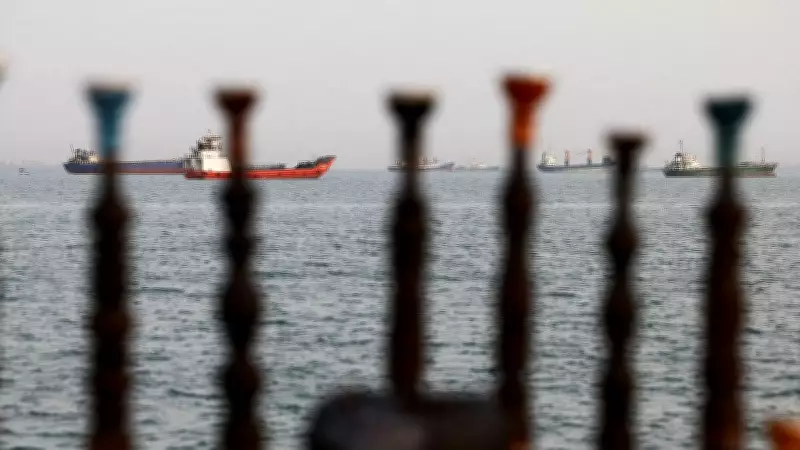
An LNG tanker has successfully exited the Strait of Hormuz bound for India, marking the first such transit since the onset of regional hostilities. The vessel loaded its cargo at Abu Dhabi National Oil Co.'s Das Island export terminal, located in the Persian Gulf beyond the Strait of Hormuz, during a period when it was not transmitting its location signal, according to data from Kpler.
Strategic Significance of the Transit
The passage of this tanker represents a critical development for energy supply routes in the region. The Strait of Hormuz is a vital chokepoint for global oil and LNG shipments, and its disruption due to conflict has raised concerns about energy security. The successful transit suggests potential easing of tensions or operational adjustments that allow for continued maritime trade.
Details of the Voyage
The tanker, whose identity has not been disclosed, loaded LNG at Das Island, one of the UAE's key export facilities. The plant is strategically located behind the Strait of Hormuz, providing a degree of protection from direct conflict zones. The vessel's decision to operate without a signal during loading may have been a security measure to avoid detection or targeting.

Analysts at Kpler, a commodities data firm, confirmed the cargo movement and highlighted its significance. This is the first instance of an LNG tanker making the journey from the Persian Gulf to India since the war began, underscoring the challenges faced by shipping in the region.
Implications for India's Energy Security
India, a major importer of LNG, relies heavily on supplies from the Middle East. The successful arrival of this tanker could alleviate some supply concerns, though the broader impact on energy markets remains to be seen. The transit may also encourage other shippers to attempt similar routes, potentially stabilizing prices and ensuring steady supply chains.
However, the situation remains fluid, and further disruptions cannot be ruled out. The ability to navigate the Strait of Hormuz safely is contingent on evolving geopolitical dynamics and security arrangements in the region.






