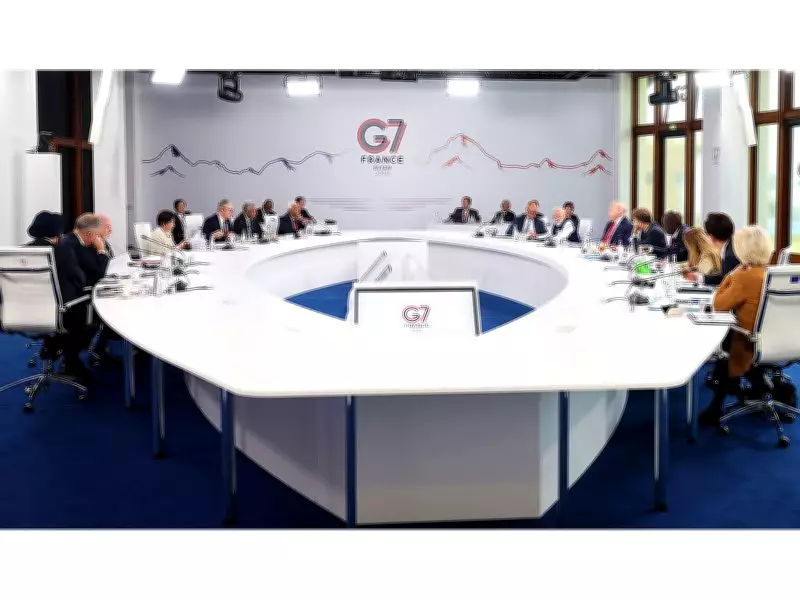
Leaders of the Group of Seven (G7) nations convened in Evian, France, for the 52nd G7 Summit, where they signed a joint declaration welcoming the peace deal between the United States and Iran and reaffirming their unwavering support for Ukraine. The summit emphasized greater cooperation on Indo-Pacific security, energy resilience, and supply chain stability.
Support for Ukraine
The G7 leaders pledged to bolster Ukraine's sovereignty and territorial integrity amid its ongoing conflict with Russia. The declaration stated, "We, the Leaders of the G7, stand united in our unwavering support for Ukraine in defending its freedom, sovereignty, and territorial integrity." Plans were announced to increase the delivery of air defense systems, interceptors, and long-range capabilities to Ukraine. Additionally, the leaders committed to expanding Ukraine's domestic military production through licensing arrangements and providing further support to strengthen the country's energy resilience ahead of winter. They vowed to intensify pressure on Russia's war economy through strengthened sanctions, particularly targeting the oil and gas sectors.
Ukrainian President Volodymyr Zelenskyy welcomed the outcomes of the G7-Ukraine session, noting that discussions focused on securing more air defense missiles, winter support packages, and increasing pressure on Russia. Meanwhile, Kremlin spokesperson Dmitry Peskov indicated that Zelenskyy could travel to Moscow for talks if prepared for "responsible and serious" discussions, though no official communication channels currently exist between Moscow and Kyiv.

US-Iran Deal
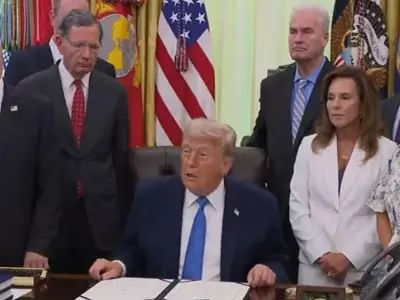
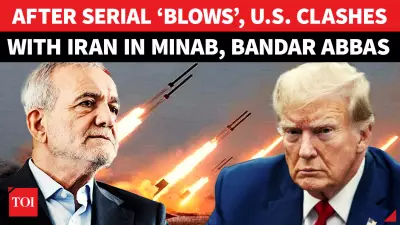
The G7 leaders also welcomed the emerging agreement between the United States and Iran. The declaration stated, "We welcome the announcement of a deal between the United States and Iran, secured under the strong leadership of President Trump," describing it as an opportunity to prevent Iran from acquiring a nuclear weapon and to address concerns related to its regional and ballistic activities. The leaders expressed readiness to contribute to the implementation of the agreement and backed negotiations on a broader diplomatic framework involving regional and international stakeholders, including the International Atomic Energy Agency (IAEA).
The declaration reaffirmed support for unrestricted transit through the Strait of Hormuz and endorsed a multinational initiative led by France and the United Kingdom to facilitate the resumption of maritime traffic and ensure the safety of commercial shipping in the strategic waterway. Recognizing vulnerabilities exposed by recent disruptions in the Strait of Hormuz, the leaders committed to accelerating the diversification of global energy supply routes and increasing energy reserves. They also welcomed the prospect of additional energy supplies from Canada in the coming years. The statement comes ahead of the scheduled signing of a Memorandum of Understanding between the US and Iran in Switzerland later this week, with Swiss authorities confirming that diplomatic consultations are underway.
West Asia and Lebanon
The G7 voiced support for an immediate, robust ceasefire in Lebanon and backed efforts by the Lebanese leadership to achieve the disarmament of Hezbollah. On Gaza, the leaders pledged to accelerate humanitarian assistance and reconstruction efforts while calling for an end to violence in the West Bank.
Indo-Pacific and North Korea
On the Indo-Pacific, the G7 leaders reiterated their commitment to a free and open region governed by international law and opposed unilateral attempts to alter the status quo by force or coercion in the East and South China Seas and across the Taiwan Strait. The declaration also expressed deep concern over North Korea's nuclear and ballistic missile programmes and called for the country's complete denuclearisation in accordance with United Nations Security Council resolutions. The leaders further highlighted the need to counter North Korean cryptocurrency thefts and cybercrimes.
Global Economic Cooperation
The G7 additionally welcomed the outcomes of the Global Convergence for Growth Summit hosted by French President Emmanuel Macron earlier this month, reaffirming the importance of cooperation among major economies to address persistent global imbalances and strengthen long-term economic stability.