Pakistan's Gul Plaza Inquiry Exposes Critical Gaps in Emergency Response and Building Safety
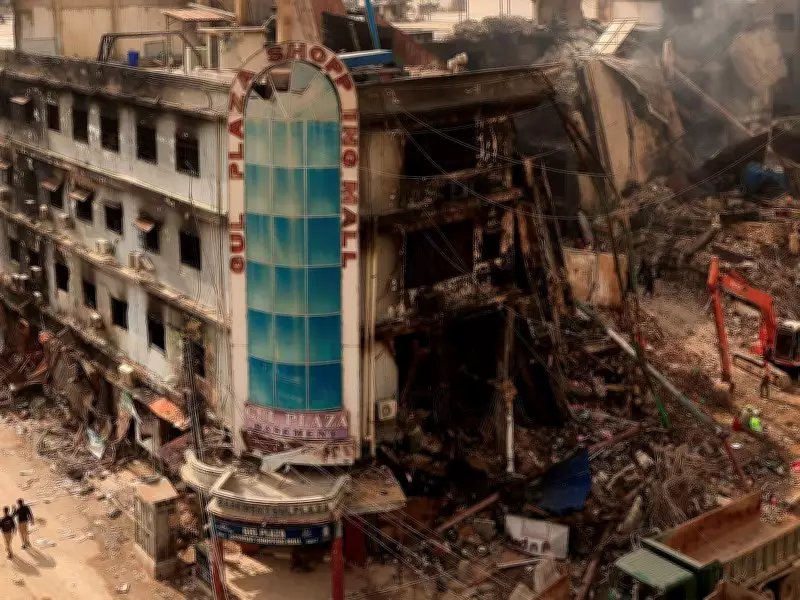
An official inquiry into the Gul Plaza incident in Pakistan has revealed significant deficiencies in emergency response mechanisms and building code compliance, according to recent reports. The investigation, conducted by Pakistani authorities, underscores systemic failures that compromised public safety during the emergency.
Key Findings from the Inquiry Report
The inquiry report, which has been made public, details several critical issues. Emergency response teams were found to be inadequately trained and equipped, leading to delays and inefficiencies in rescue operations. Additionally, the building itself failed to meet several safety standards, including fire safety protocols and structural integrity requirements.
These gaps highlight a broader pattern of negligence in urban safety regulations across Pakistan, the report notes, calling for immediate reforms to prevent similar incidents in the future.

Implications for Public Safety and Governance
The findings have sparked widespread concern among citizens and safety advocates. Experts warn that without urgent action, such lapses could lead to more catastrophic outcomes in densely populated urban areas. The inquiry has also pointed to a lack of coordination between different government agencies responsible for building inspections and emergency management.
In response, authorities have announced plans to review and strengthen existing safety laws. However, critics argue that enforcement remains a major challenge, with many buildings still operating without proper certifications.
Recommendations for Improvement
The inquiry report includes several recommendations to address the identified gaps:
- Enhance training programs for emergency responders to improve preparedness and efficiency.
- Implement stricter building code enforcement, with regular inspections and penalties for non-compliance.
- Establish a centralized database for building safety records to ensure transparency and accountability.
- Promote public awareness campaigns on safety measures and emergency procedures.
These steps are seen as essential to rebuilding public trust and ensuring that safety standards are upheld in all construction projects.
Broader Context and Future Outlook
This incident is not isolated, as similar safety issues have been reported in other parts of Pakistan. The Gul Plaza inquiry serves as a wake-up call for policymakers to prioritize urban safety and emergency preparedness. International safety standards could serve as a benchmark for local reforms, helping to align practices with global best practices.
Moving forward, sustained efforts from both government and private stakeholders will be crucial to implementing the recommended changes and preventing future tragedies.