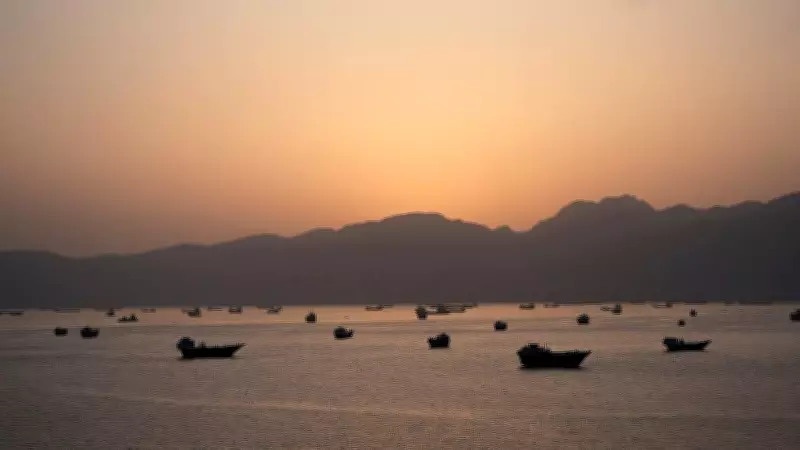
The Strait of Hormuz has long been recognized as one of the world's most critical maritime chokepoints. Normally, it facilitates the passage of approximately 20 million barrels of crude oil and petroleum products each day, alongside roughly one-fifth of global liquefied natural gas (LNG) exports. However, ongoing geopolitical tensions in the region have prompted Gulf states to actively explore alternative routes to safeguard their energy exports and reduce reliance on this narrow waterway.
Strategic Importance of the Strait of Hormuz
The strait connects the Persian Gulf with the Gulf of Oman and the Arabian Sea, making it a vital artery for oil and gas shipments from major producers such as Saudi Arabia, Iran, the United Arab Emirates, Kuwait, and Qatar. Any disruption—whether from military conflict, political instability, or accidents—could have severe consequences for global energy markets. In recent years, heightened tensions between Iran and Western powers, as well as regional proxy conflicts, have raised concerns about the strait's security.
Alternative Routes Under Consideration
Gulf states are now investing in and evaluating several alternatives to bypass the Strait of Hormuz. These include:

- Overland Pipelines: Existing pipelines like the Abu Dhabi-based Habshan-Fujairah pipeline, which bypasses the strait by transporting crude oil to the port of Fujairah on the Gulf of Oman. Capacity expansions are being planned.
- New Pipeline Projects: Proposals for additional pipelines, such as a potential Saudi-Iraqi link or a Gulf-wide network, are being studied to provide redundancy.
- Offshore Terminals: Developing offshore loading terminals outside the strait, such as those near Oman's coast, allows tankers to load directly without transiting the chokepoint.
- Strategic Storage: Building large-scale storage facilities in locations like Fujairah or Oman to stockpile crude and products, enabling continued exports even during temporary closures.
- Alternative Maritime Routes: Exploring longer but safer shipping lanes, including routes around the Arabian Peninsula via the Bab el-Mandeb strait, though this adds transit time and cost.
Economic and Logistical Challenges
While these alternatives offer potential benefits, they come with significant challenges. Pipeline projects require massive capital investment, geopolitical coordination, and long construction timelines. Offshore terminals face environmental and security risks. Additionally, the sheer volume of traffic through the Strait of Hormuz—over 20 million barrels per day—makes it difficult to replicate capacity quickly. The cost of rerouting could also increase shipping expenses, ultimately affecting global oil prices.
Regional and Global Implications
The search for alternatives reflects a broader trend among energy-exporting nations to diversify export routes and reduce vulnerability. For Gulf states, this is not just an economic issue but a matter of national security. By investing in multiple pathways, they aim to maintain stable export flows and reassure global markets. The success of these efforts will depend on sustained political will, international cooperation, and technological advancements. Ultimately, while the Strait of Hormuz will remain crucial for the foreseeable future, the development of alternative routes could reshape global energy trade dynamics in the coming decades.